New York City Rental Guide · Neighborhood History
The Financial District, From Bank Vaults to Seaside Living
From the desk of Jason Mezydlo · @JasonMezydlo
Jason Mezydlo · Managing Sales Partner, Gordon Realty Partners
347.286.5797 · jason@gordonrealtypartners.com · JasonMezydlo.com
622 3rd Avenue, New York, NY
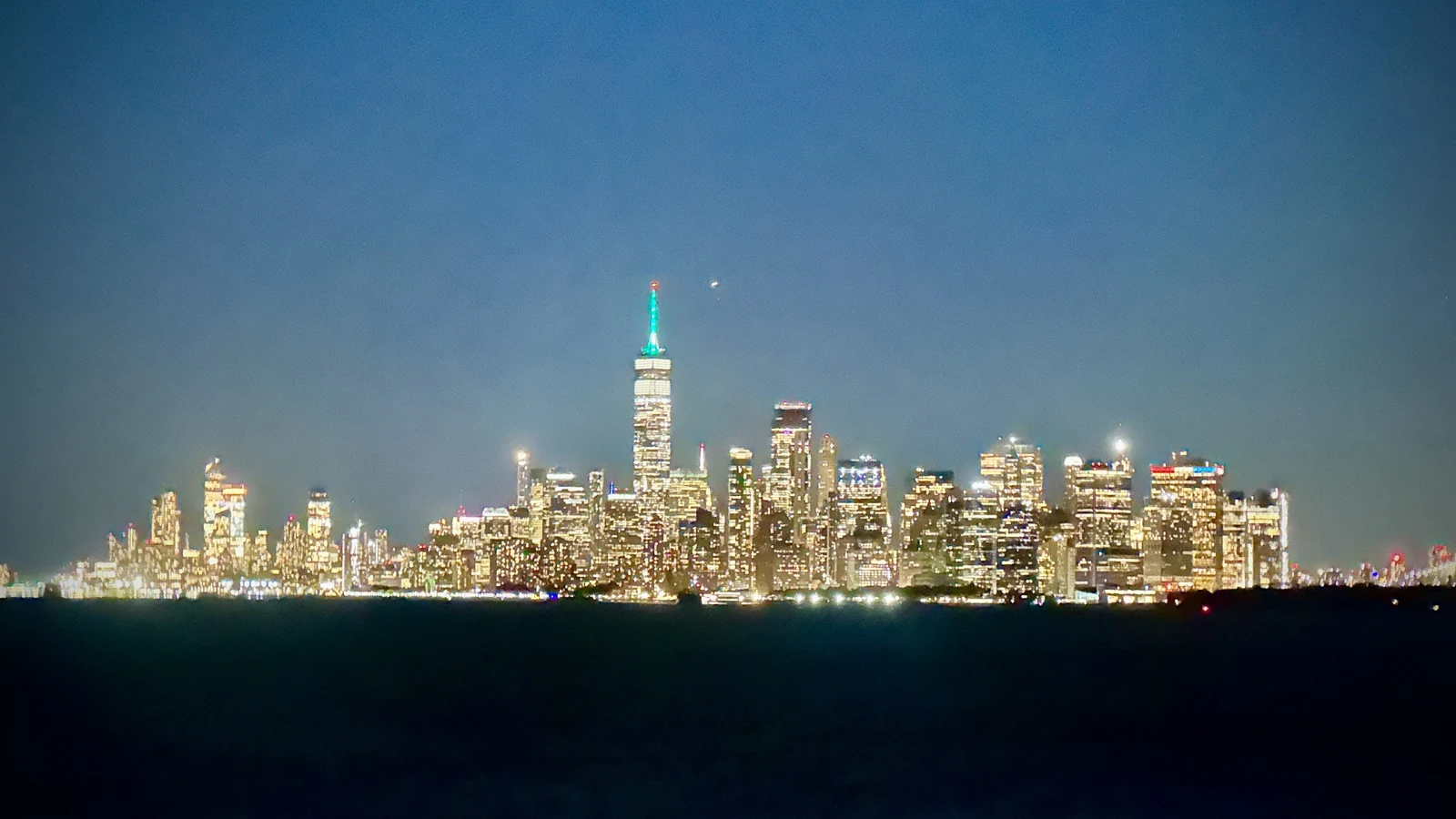
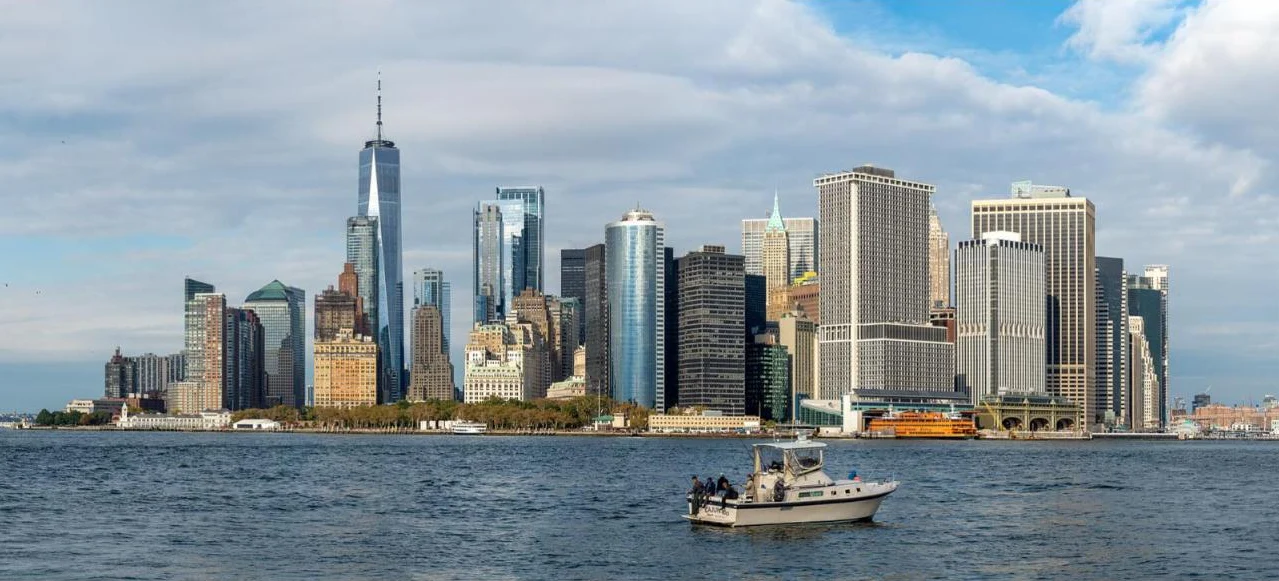
I’ve been working in the Financial District for years, and I can tell you it is not the neighborhood people picture when they hear “Wall Street.” The towers that once emptied out at 6 p.m. are filling with neighbors, dogs and strollers. Old trading floors have become rooftop pools, and the streets that smelled like the Fulton Fish Market for a century now lead you to galleries, river walks and some of the most romantic corners of the city. Come along with me through its history, architecture, gardens and art, then we’ll look at what changed, why it matters if you’re looking for an apartment, and the buildings I’m watching most closely right now.
Four Centuries of Architecture
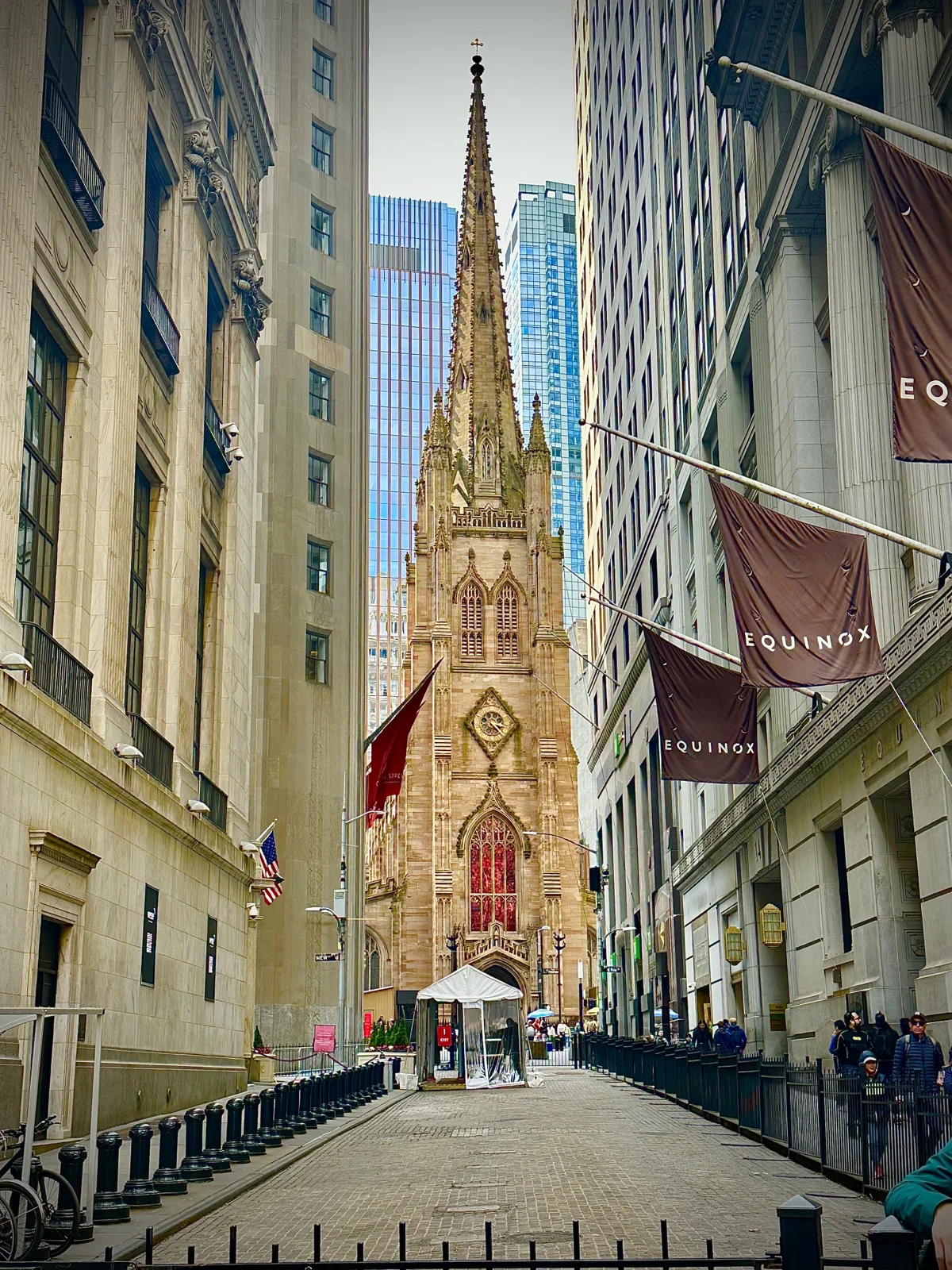
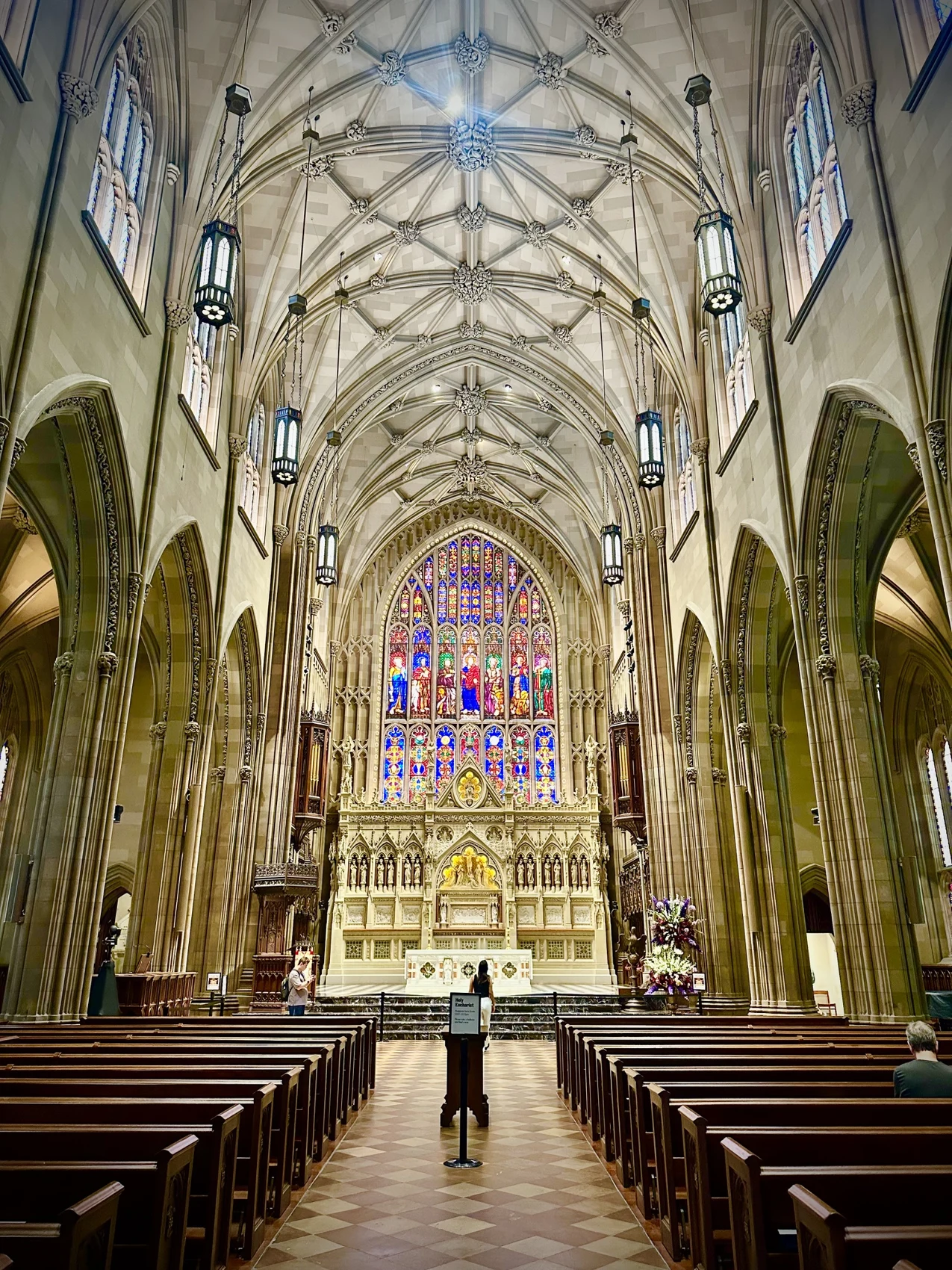
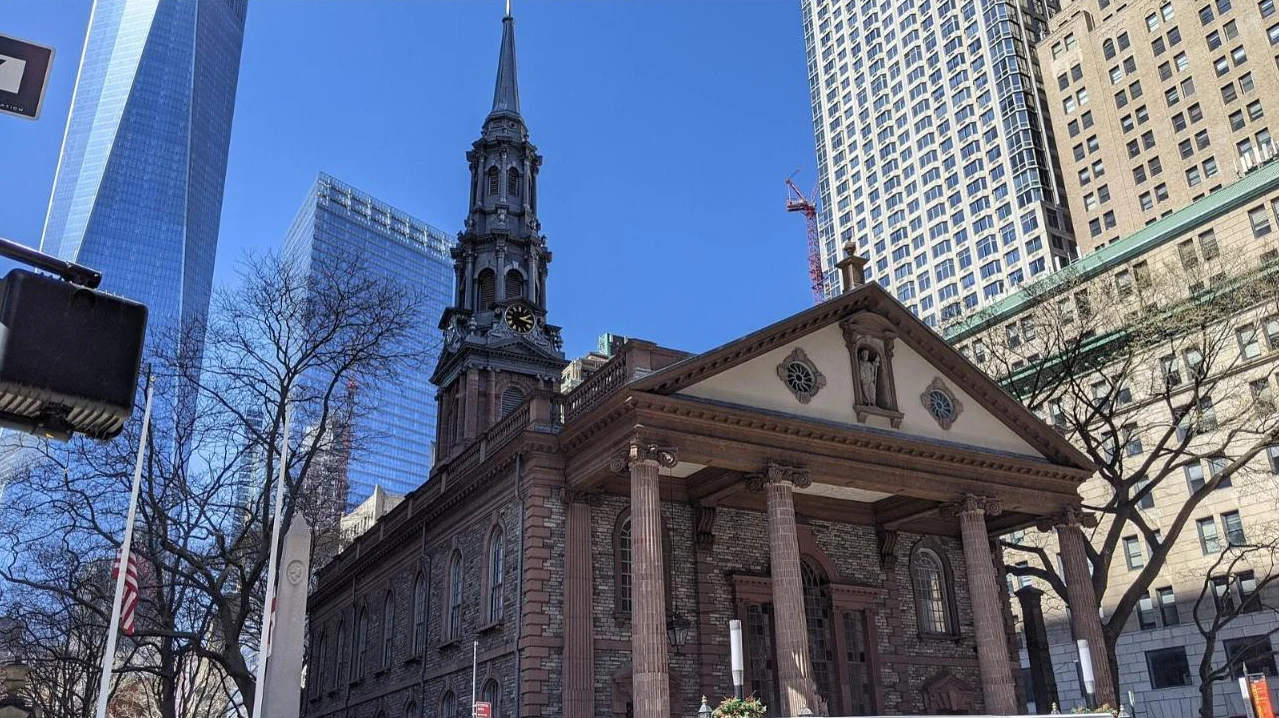
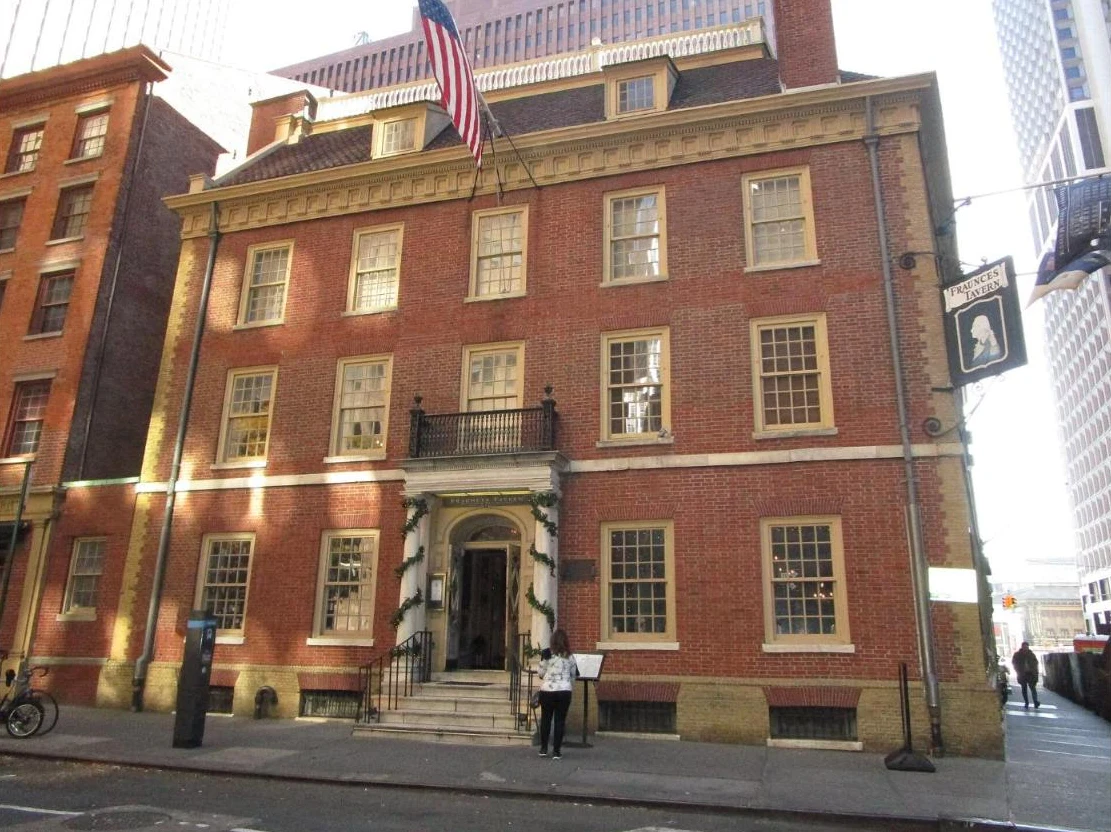
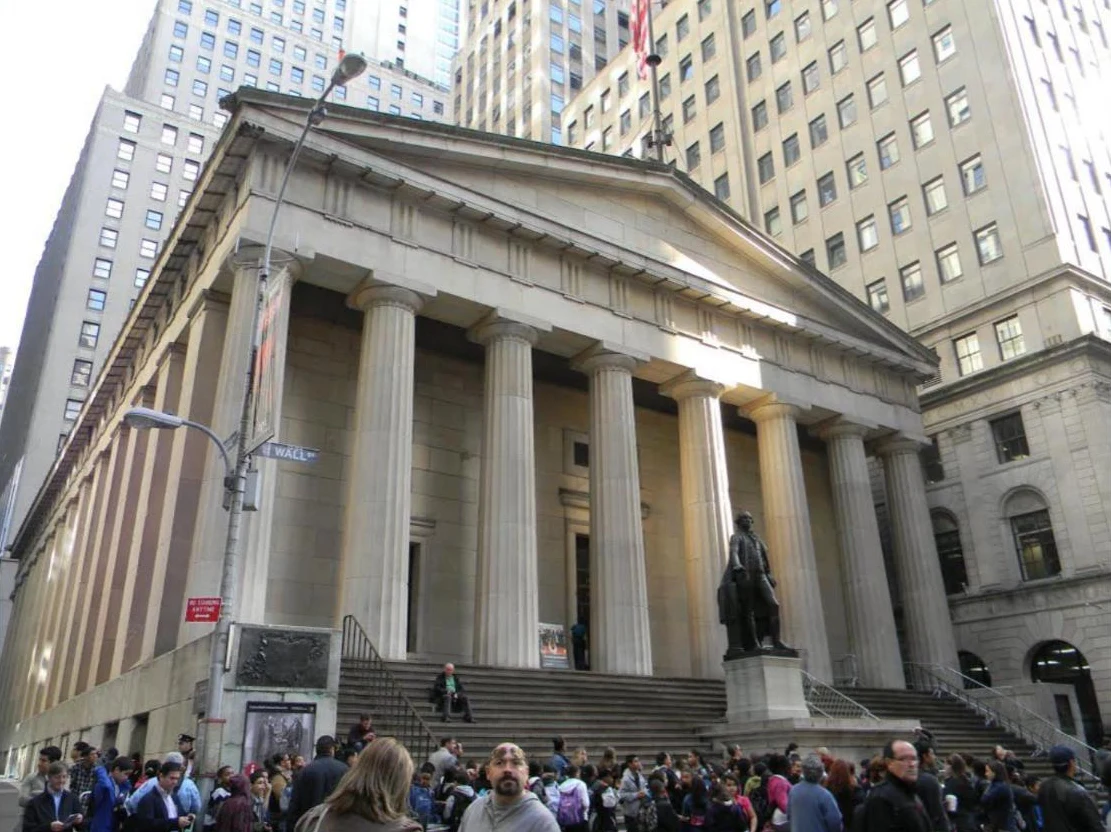
As we walk a few blocks downtown, we’ll move through four centuries of design, starting with the colonial layer. St. Paul’s Chapel on Broadway, finished in 1766, is the oldest surviving church in Manhattan, and George Washington prayed there after his inauguration. Fraunces Tavern on Pearl Street, where Washington said farewell to his officers in 1783, is a careful reconstruction of a Georgian brick house from that era. Federal Hall, finished in 1842 on the spot where Washington took the oath of office, is pure Greek Revival, with Doric columns modeled on the Parthenon, and in 1846 Richard Upjohn’s Trinity Church gave Wall Street its Gothic Revival spire, for decades the tallest point in the city.
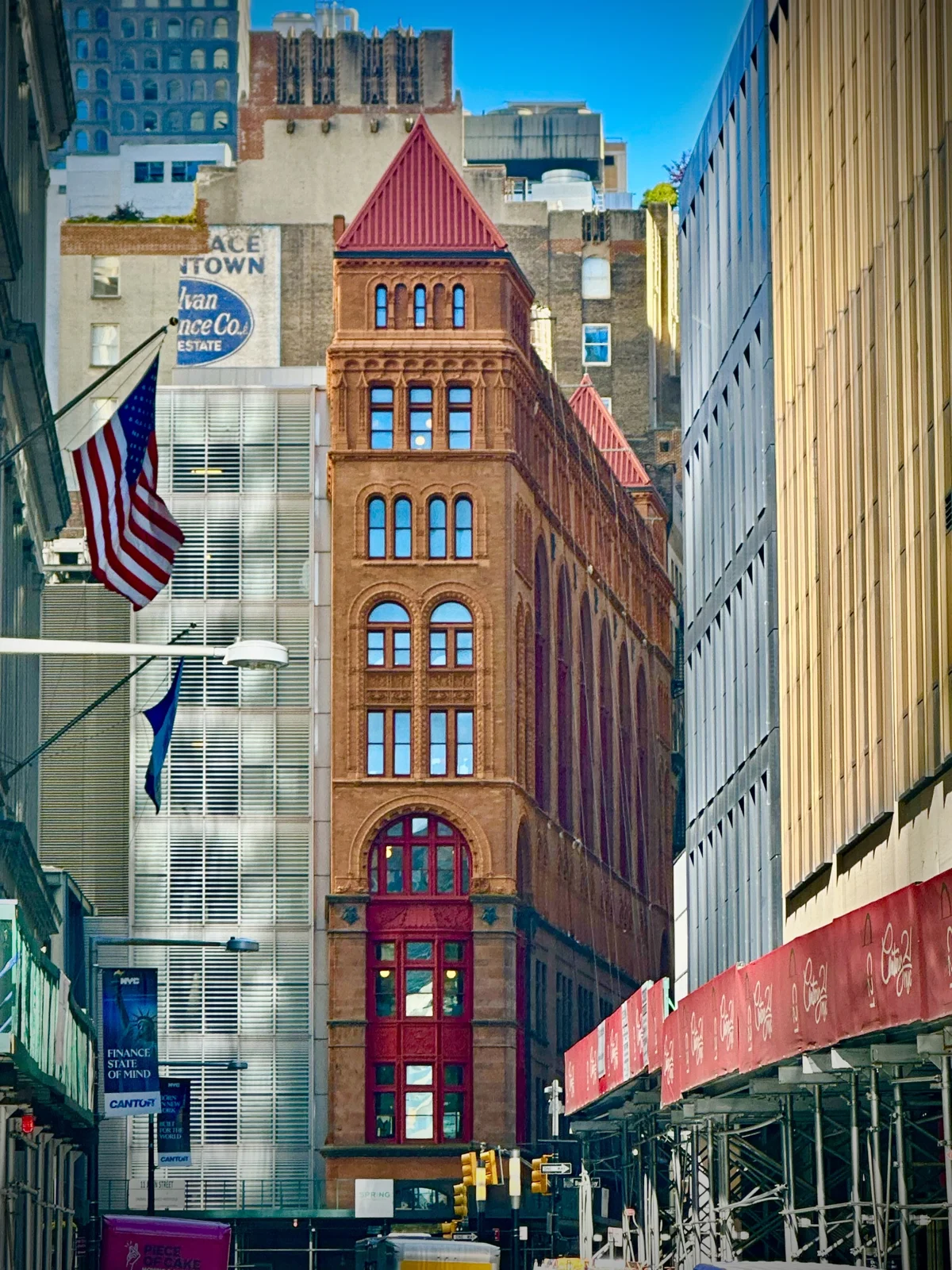
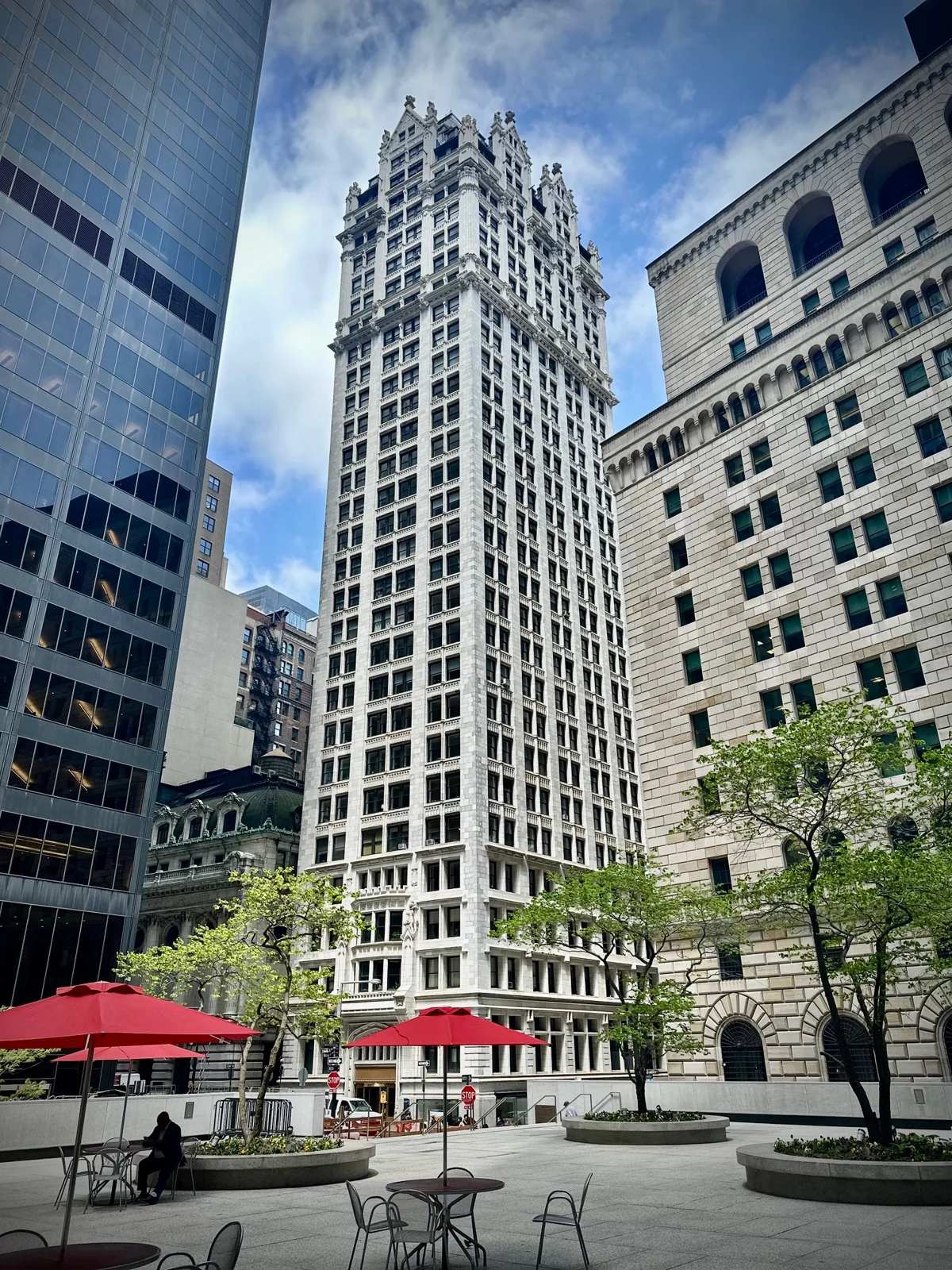
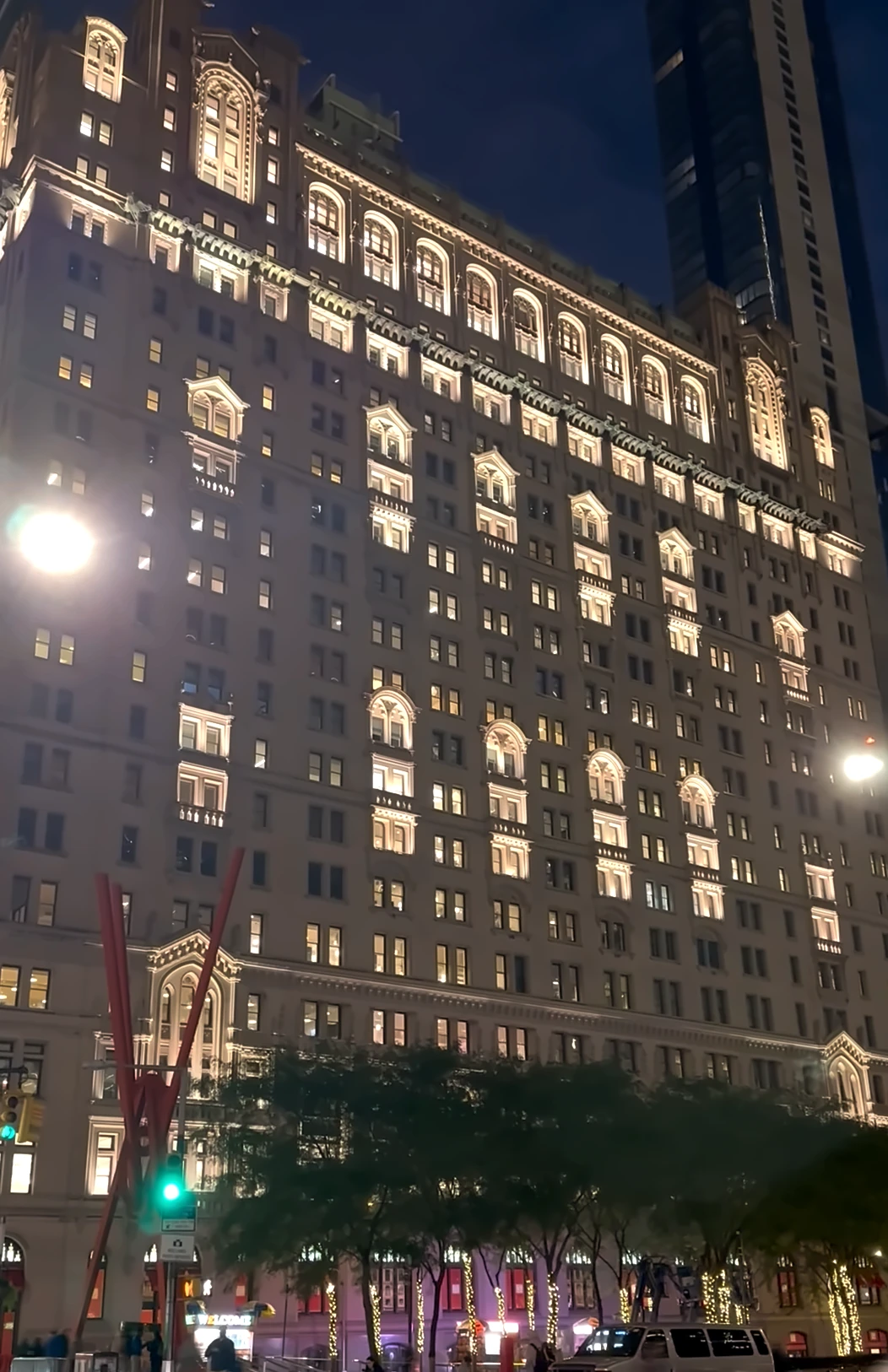
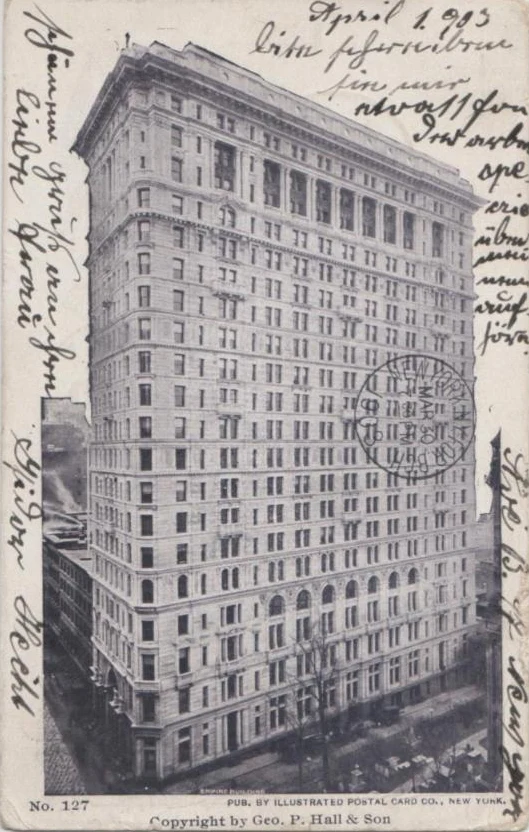
From there, we step into the age of the first skyscrapers. The Corbin Building at Broadway and John Street, finished in 1889, is a Romanesque Revival gem by Francis H. Kimball, all brownstone, brick and red-brown terra cotta. It rises 135 feet, eight stories with taller corner pavilions, and was reported to be the tallest commercial building in the city when it opened, though the 260‑foot Tribune Building, the newspaper tower on Park Row, still stood well above it. The MTA restored it as part of Fulton Center, it reopened in 2012, and it became a city landmark in 2015. Kimball came back a decade later, with his partner George Kramer Thompson, to design the Empire Building at 71 Broadway (1898), a 21‑story Classical Revival tower overlooking Trinity’s churchyard, where U.S. Steel was founded in 1901. It became a landmark in 1996 and was converted to apartments a year later, one of the early pioneers of downtown living.
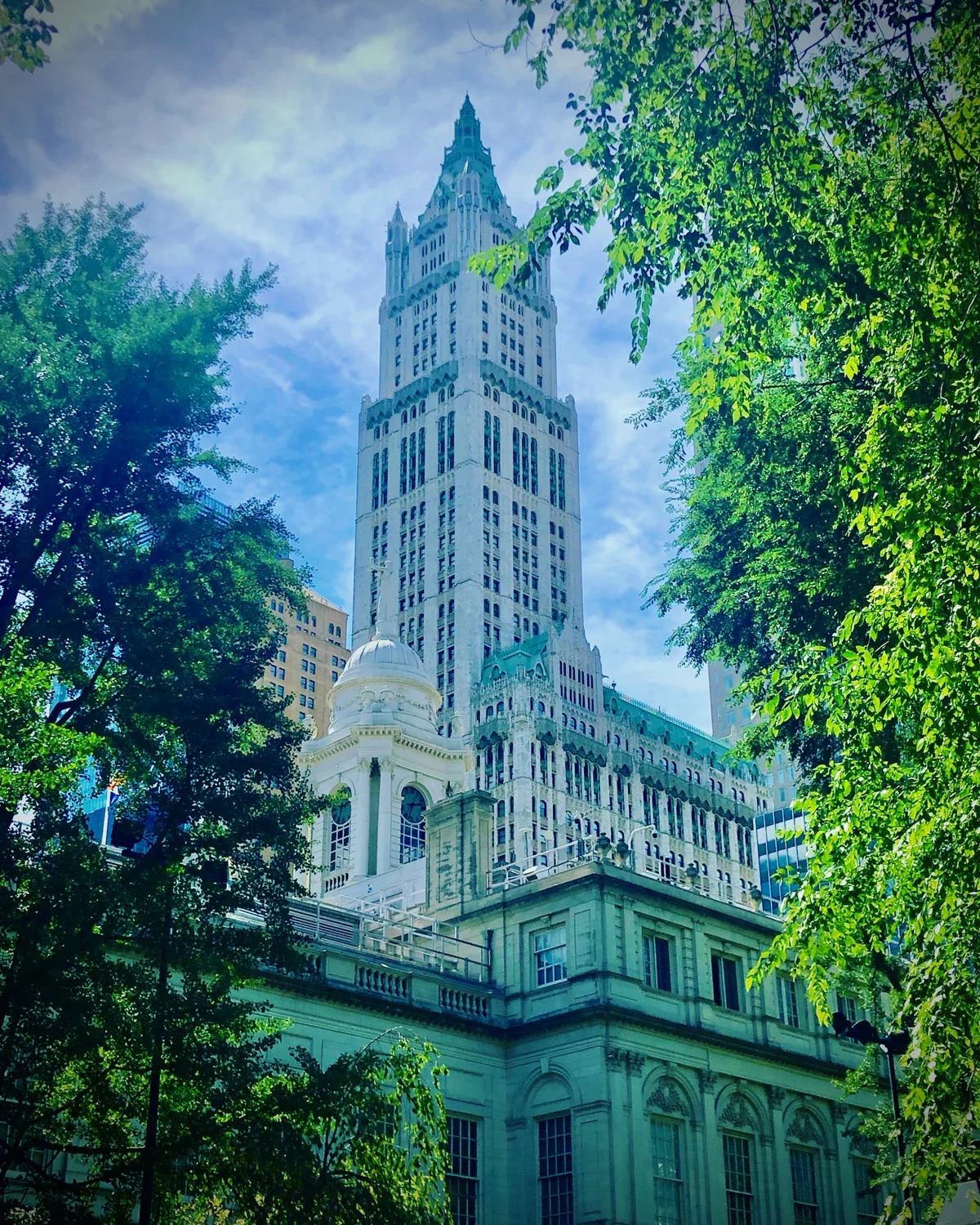
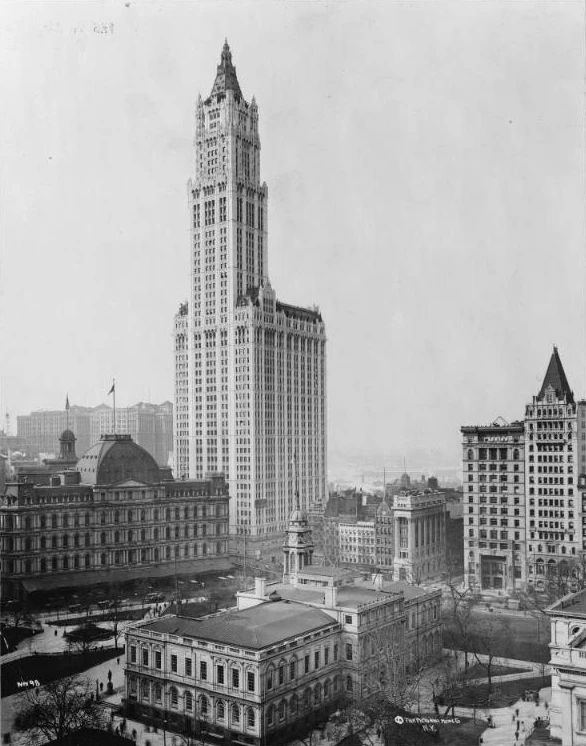
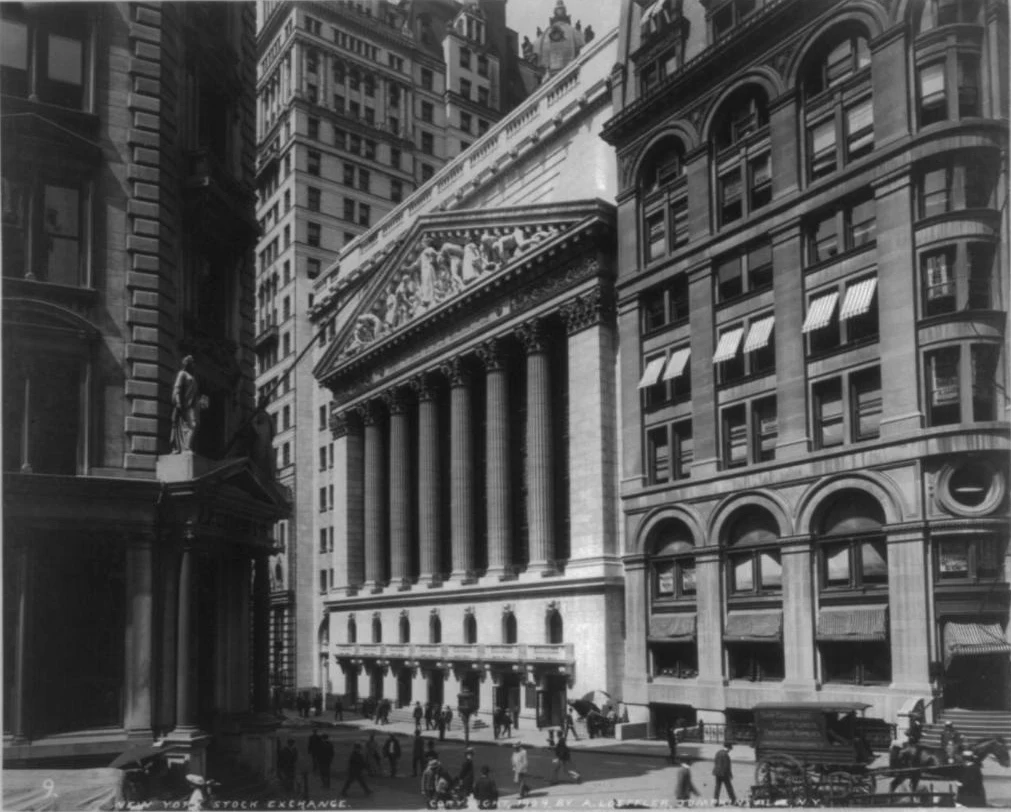
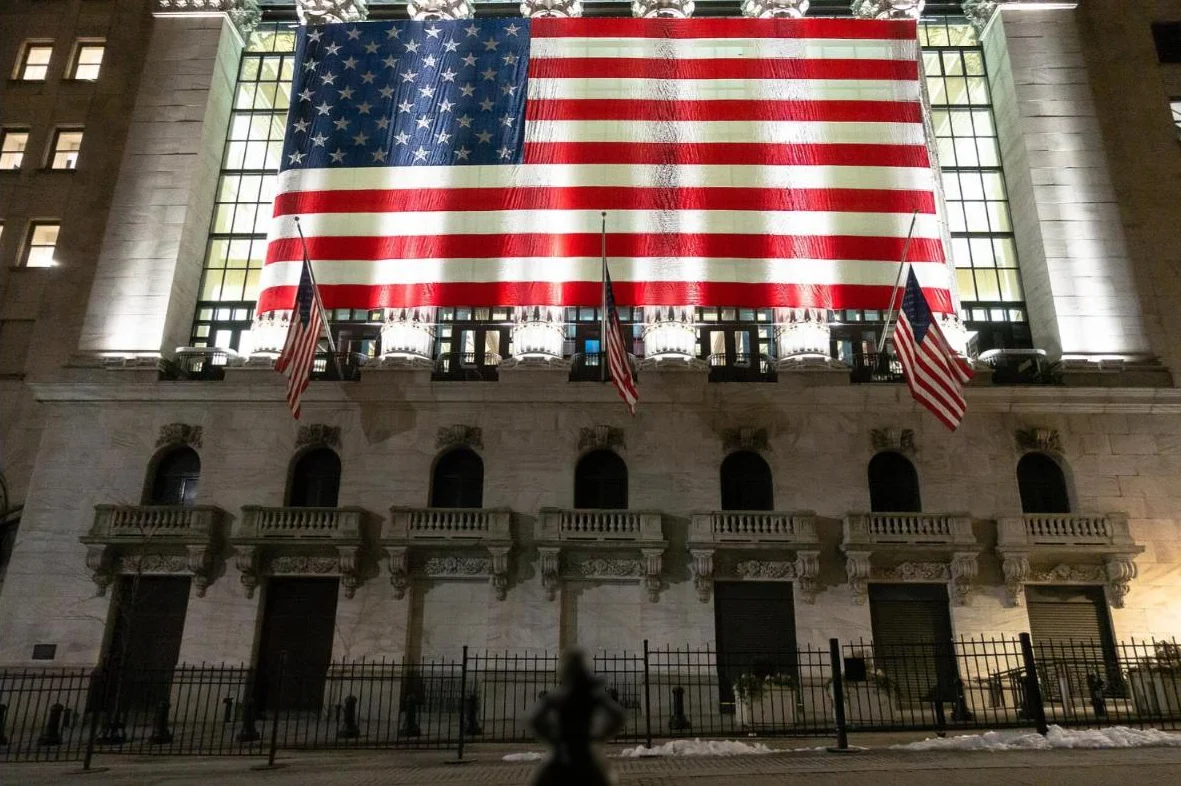
Beaux-Arts grandeur followed at the New York Stock Exchange (1903) and Cass Gilbert’s Custom House at Bowling Green (1907), then the Gothic towers: Henry Ives Cobb’s Liberty Tower (1910) and Gilbert’s Woolworth Building (1913), which soared 792 feet, nearly 100 feet past the 700‑foot Metropolitan Life Tower on Madison Square, and stayed the tallest building in the world until 1930. Frank W. Woolworth, who made his fortune selling goods for five and ten cents, paid for his “Cathedral of Commerce” entirely in cash, $13.5 million in all, with no loans, according to American Heritage magazine and the Skyscraper Museum.
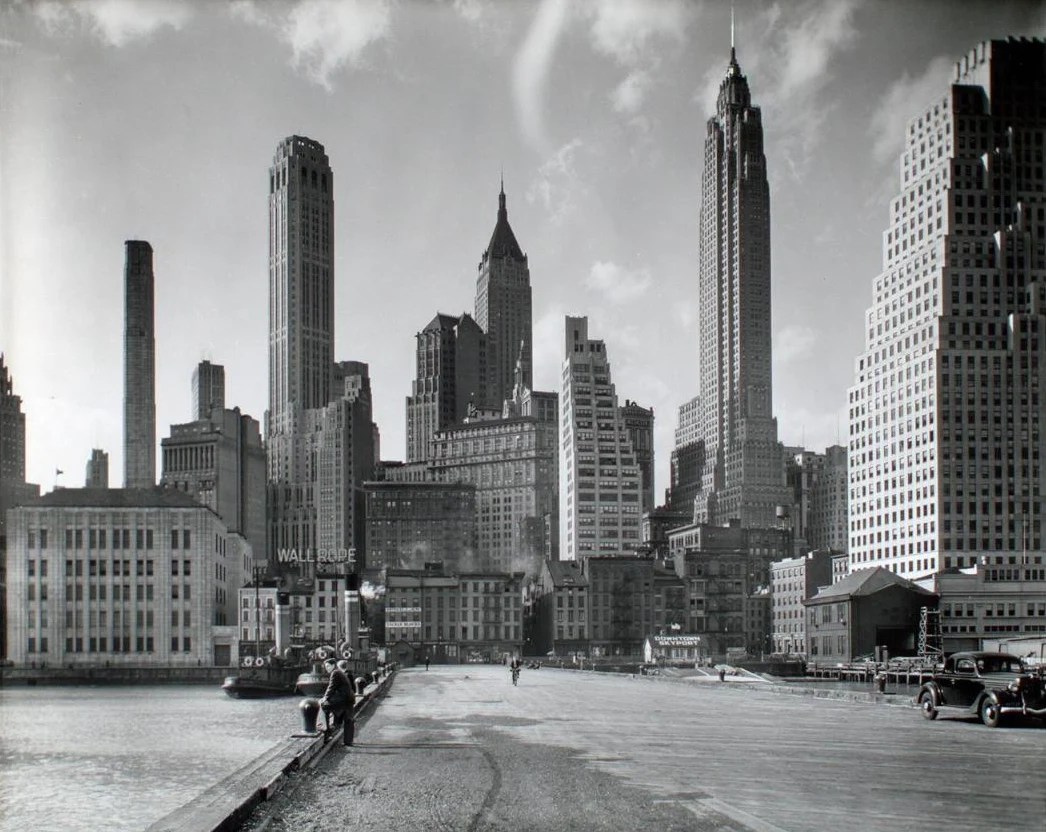
The 1920s and ’30s gave downtown its famous Art Deco skyline. 40 Wall Street (1930) rose 927 feet in its race with the Chrysler Building to be the world’s tallest, only to lose when the Chrysler’s architect hoisted a 185‑foot spire, secretly assembled inside his tower, to top out at 1,046 feet. Ralph Walker’s One Wall Street (1931) wraps its rippling limestone around the mosaic-covered Red Room, and 70 Pine Street (1932), the former Cities Service tower, still lights up the skyline with its glass-topped spire. It has since been converted into apartments, too, and it’s one of my favorites to tour with clients, with its impeccably maintained Art Deco detailing and incredibly spacious floor plans.
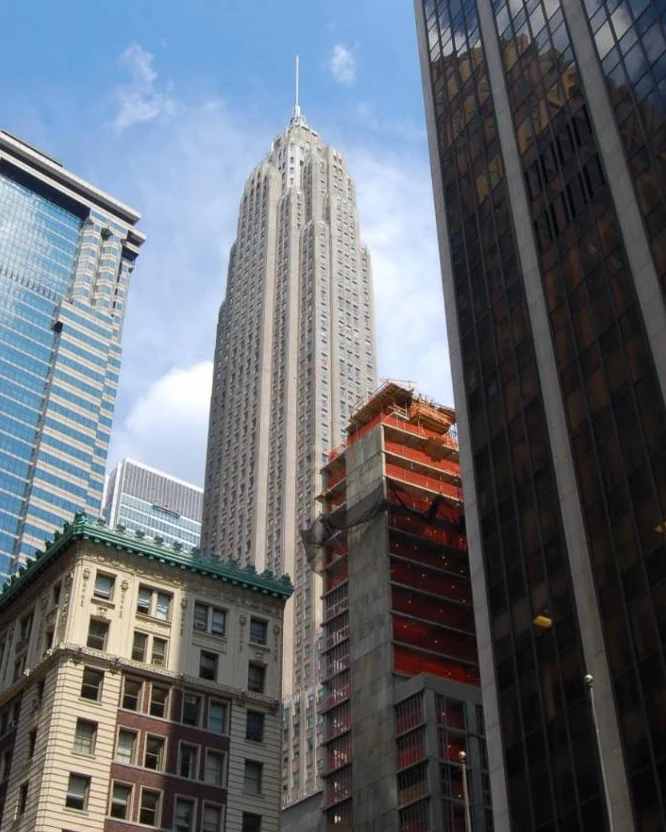
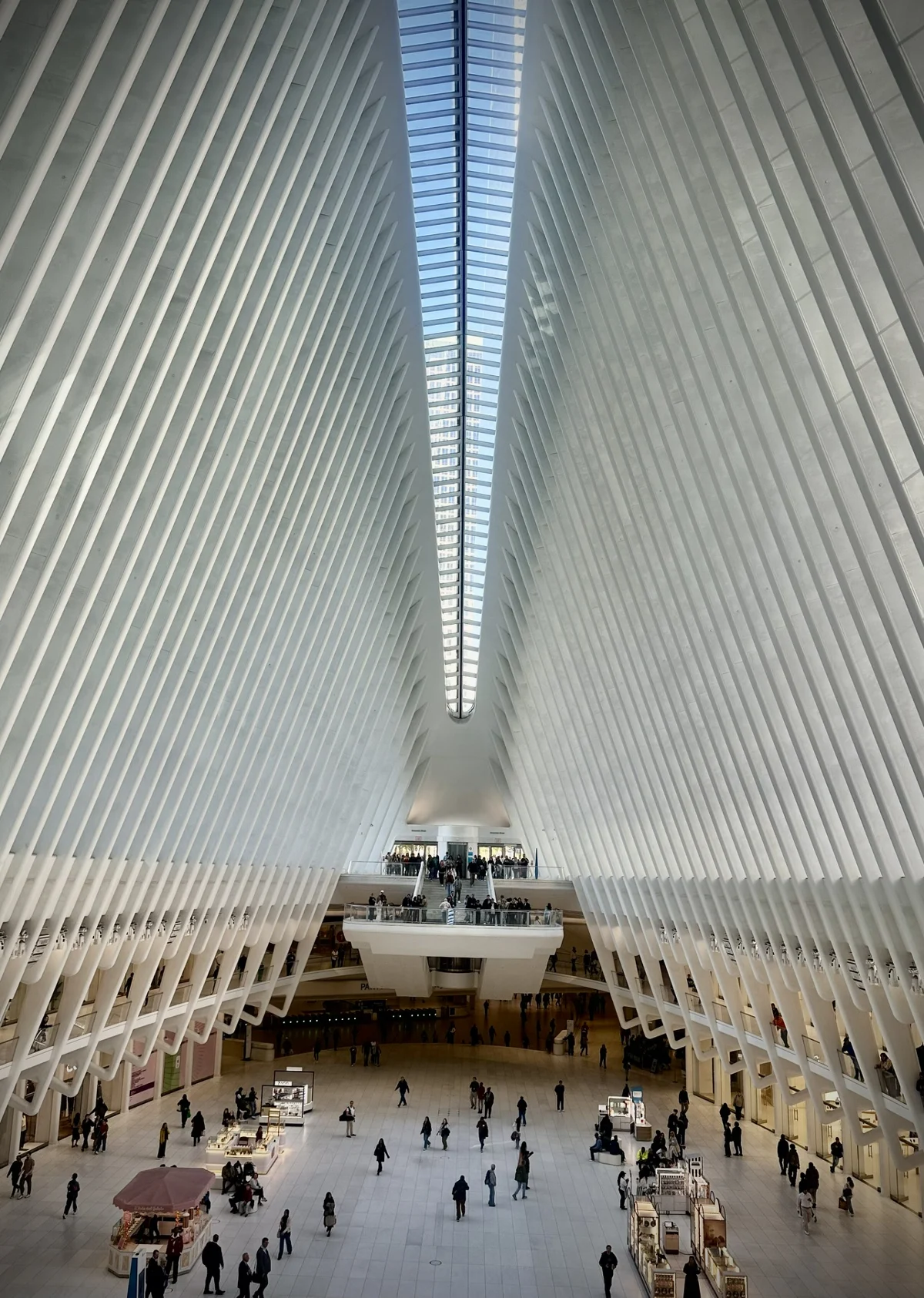
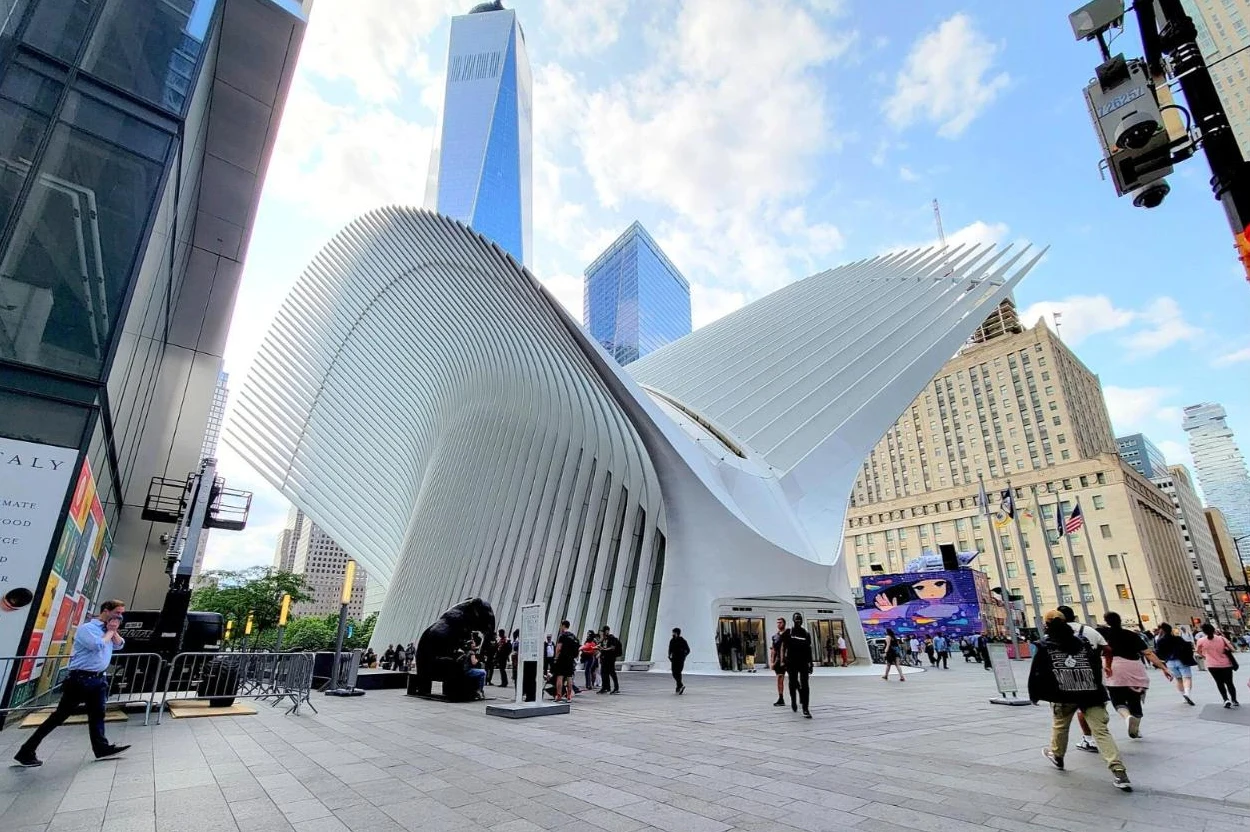
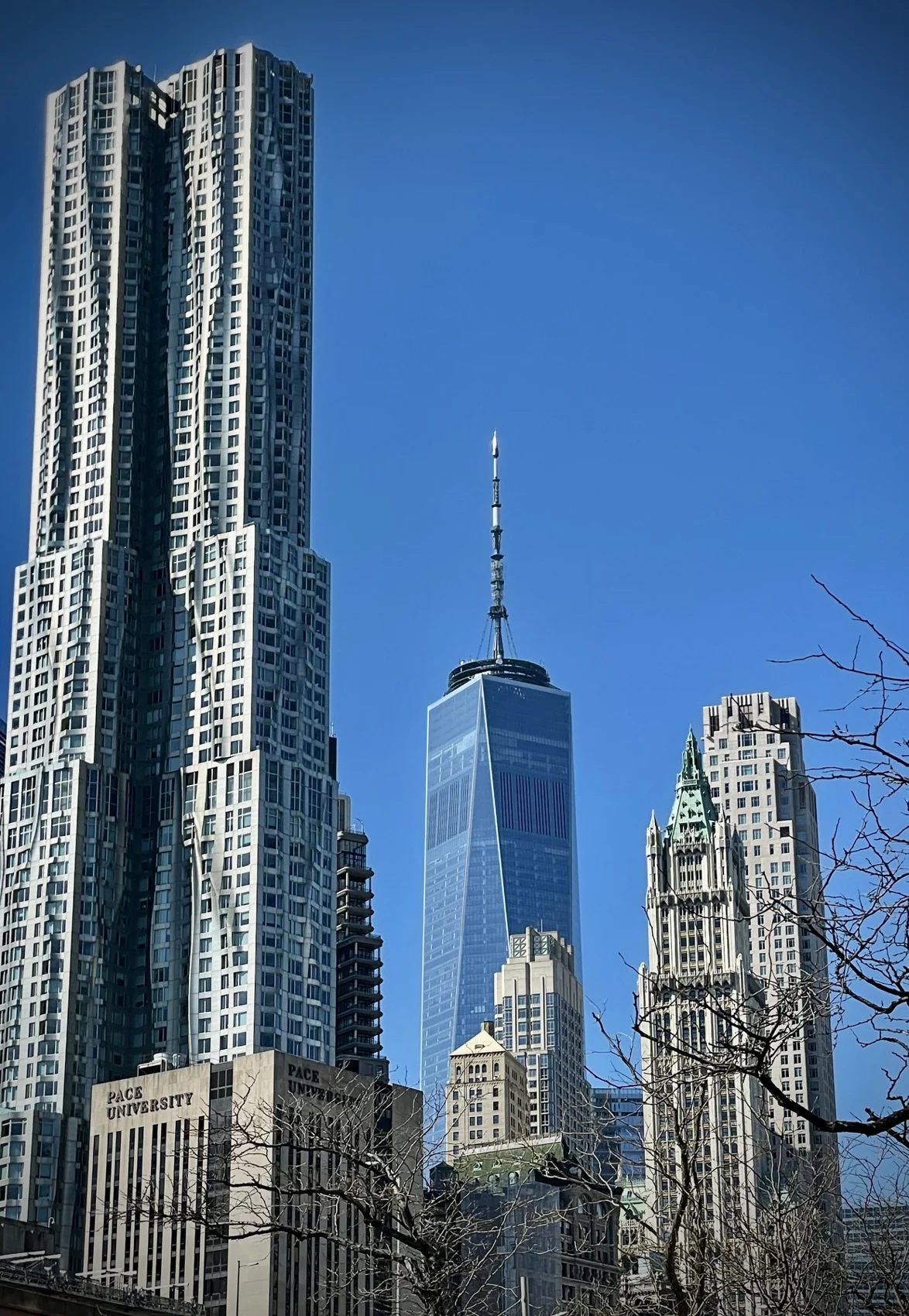
Fast-forward past the war and we arrive at glass and steel. Skidmore, Owings & Merrill’s One Chase Manhattan Plaza (1961), now 28 Liberty, and 140 Broadway (1967) brought International Style towers set on open plazas, the plazas that now hold Dubuffet’s trees and Noguchi’s Red Cube. SOM is a Chicago firm, and Chicago is my hometown, where I first fell in love with modern architecture. Its towers follow the International Style championed by Ludwig Mies van der Rohe, the last director of the Bauhaus, who settled in Chicago in 1938 and is one of my idols. Today’s skyline adds One World Trade Center (2014), rising a symbolic 1,776 feet, Frank Gehry’s rippling stainless-steel 8 Spruce Street (2011), and Santiago Calatrava’s Oculus (2016), the soaring white transit hall at the World Trade Center that he compared to a dove released from a child’s hands.
A Gardener’s Downtown
I spend a lot of free time in my own garden, so I notice what’s planted wherever I go, and the Financial District rewards anyone who looks. Let me show you some of the most thoughtful public planting in the city.
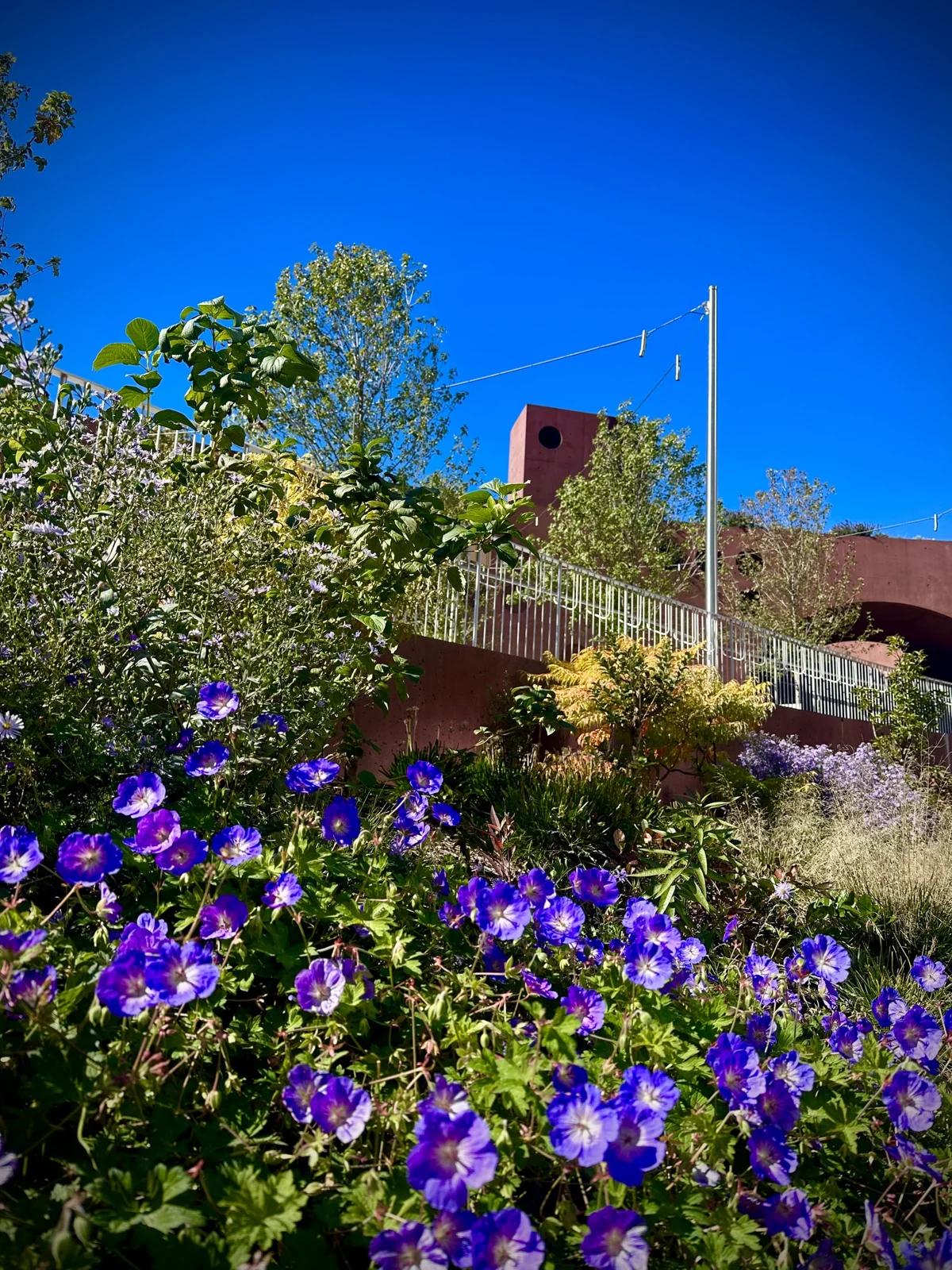
Let’s start at the tip of the island, at The Battery. The Dutch designer Piet Oudolf, the gardener behind the High Line, made his first finished public commission in the U.S. here: the Gardens of Remembrance, planted in 2003 with about 6,000 plants of more than 100 species. Oudolf leaves the grasses and seedheads standing through winter to feed the birds, so the gardens look good twelve months a year. Behind them, the Bosque is a grove of London plane trees underplanted with tens of thousands of perennials and bulbs: drumstick alliums in late spring, goatsbeard and oakleaf hydrangea in summer, and Japanese forest grass glowing amber in the fall. The park is home to more than 500 trees of 20 species, including pin, willow and scarlet oaks, sweetgum, tulip trees, sassafras and a row of Kentucky coffeetrees at Peter Minuit Plaza, and it has been pesticide-free since 2017. There’s even a working urban farm where local students grow more than 100 kinds of vegetables.
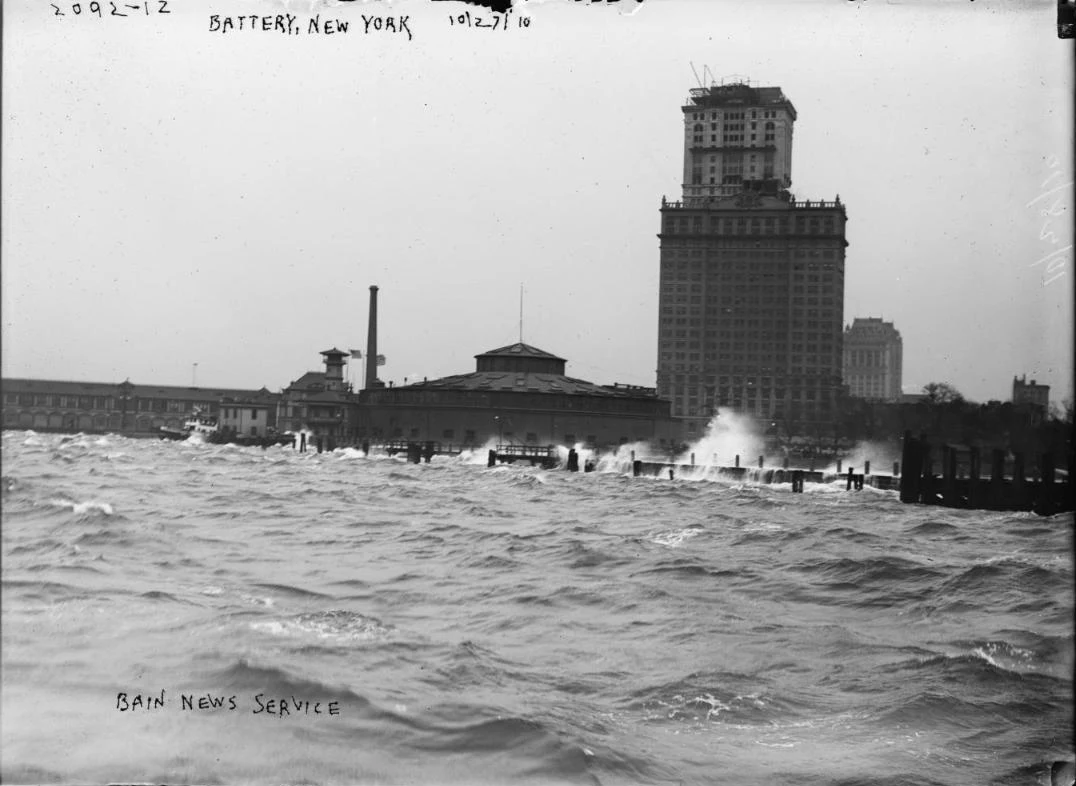
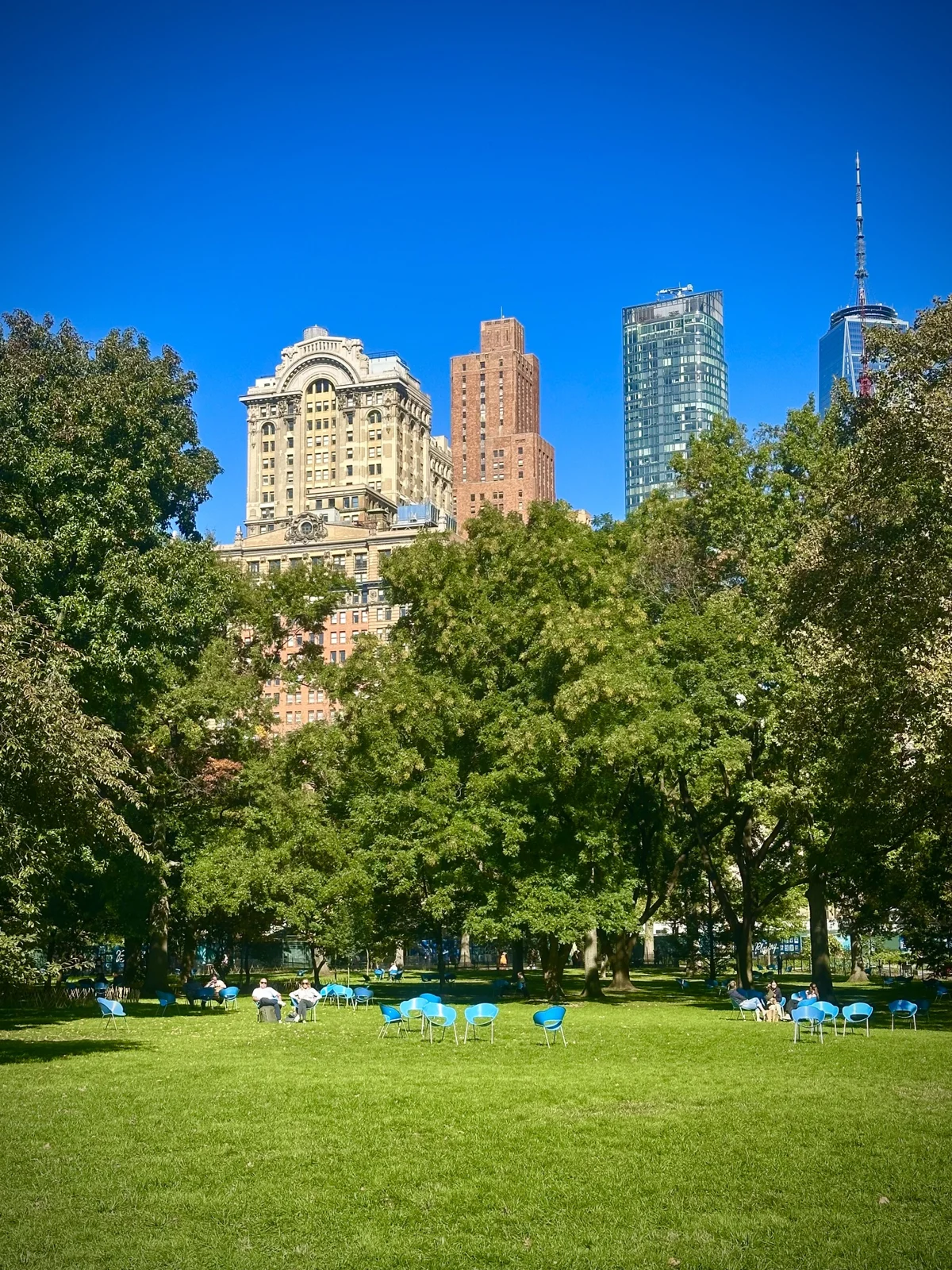
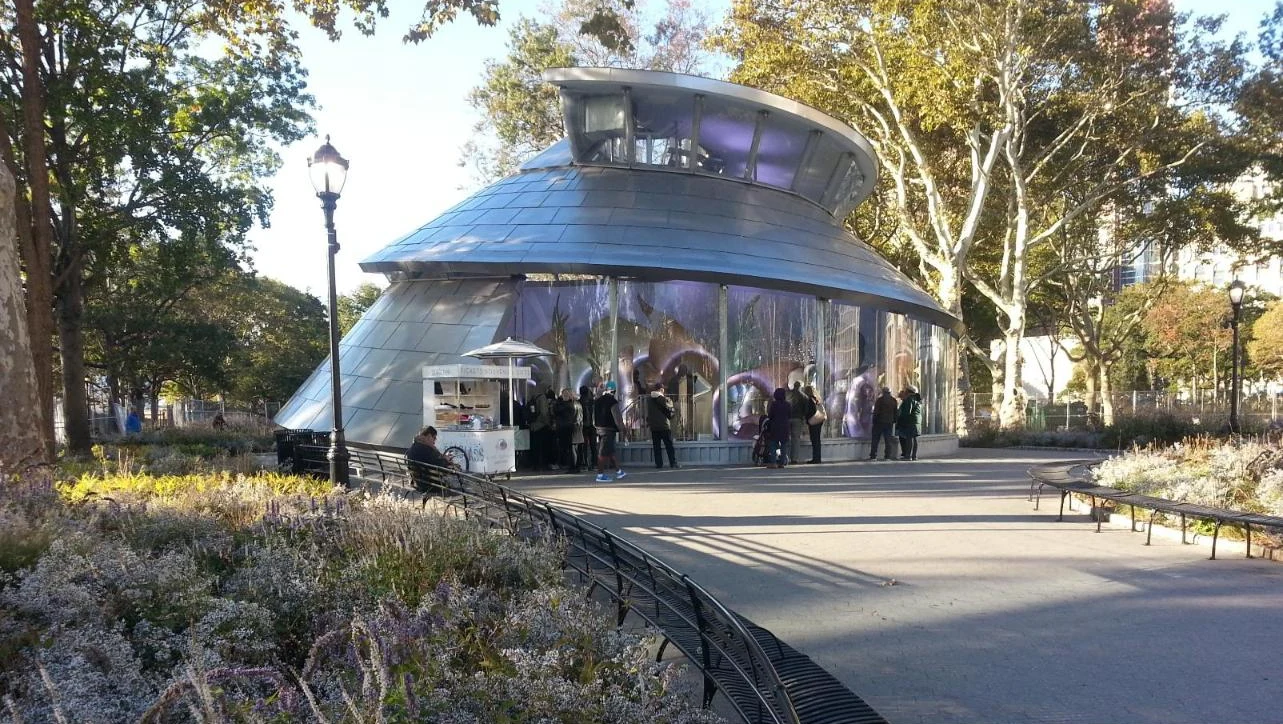
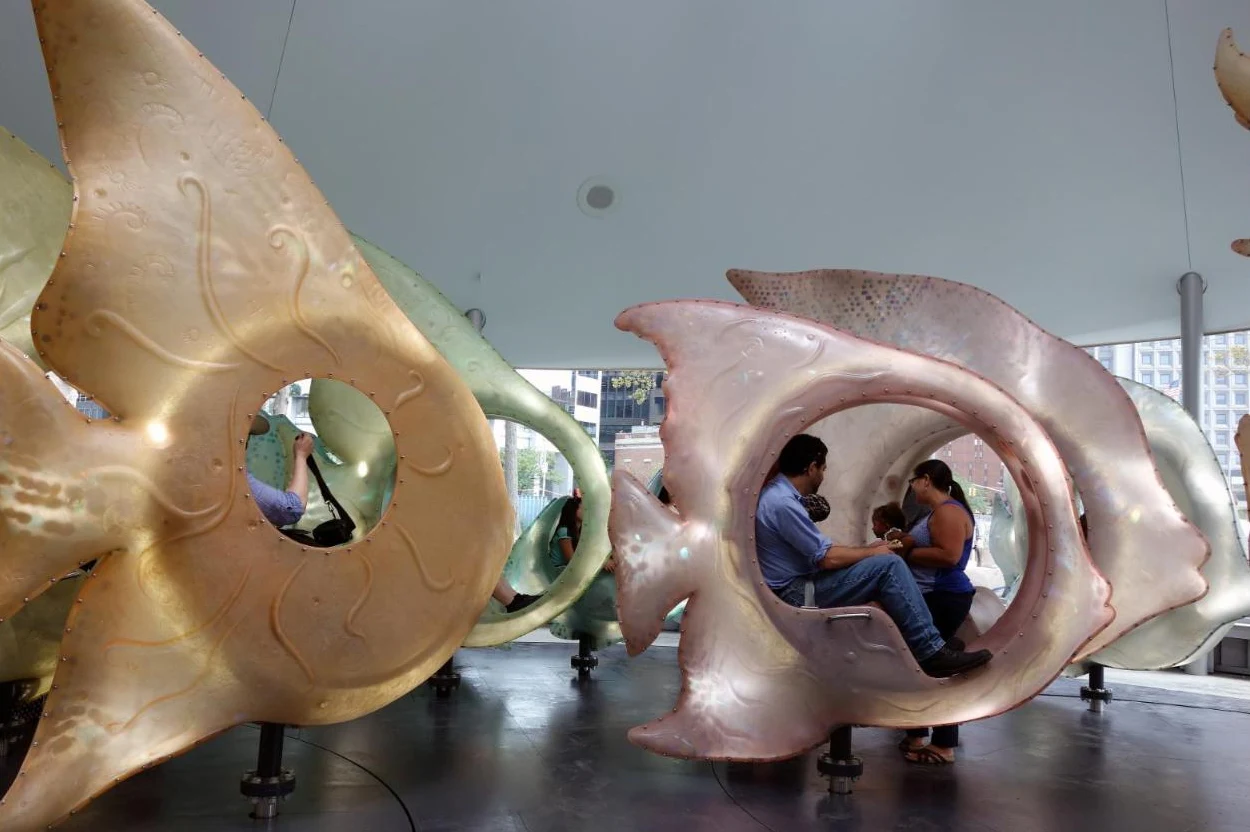
The Battery itself has been remade piece by piece since the nonprofit Battery Conservancy took up its cause in 1994. The glowing SeaGlass Carousel, where you ride inside giant iridescent fish that seem to swim through the water, opened in 2015. The 1.5-acre Battery Playscape followed in 2021, designed after Hurricane Sandy around five landscapes shaped by water, from bluff and riverbed to marsh, dune and meadow, with granite slides, tree houses and salt-tolerant gardens. The biggest project is happening right on the harbor. The city’s $200 million Battery Coastal Resilience project is rebuilding the old wharf and raising the waterfront promenade above the sea levels projected for 2100, using reclaimed granite, wood and bronze and lining the edge with salt-tolerant trees and plantings. The first phase was finished this June, and the rest is due in 2027, so parts of the waterfront and the Gardens of Remembrance stay fenced off for now. Most of the park is wide open, though, and the big lawn under the trees is one of my favorite places downtown for a picnic and a bit of sea air.
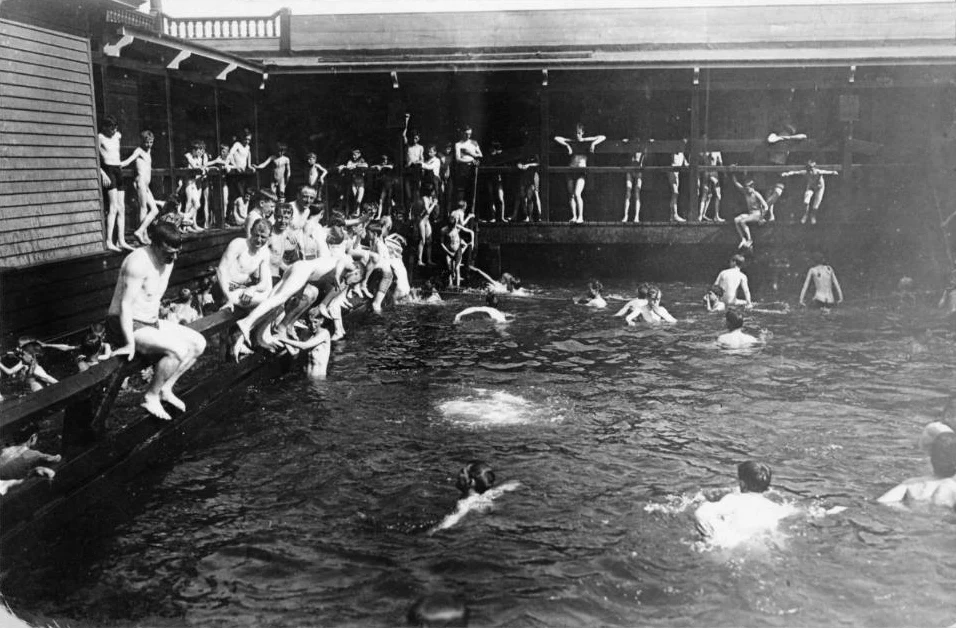
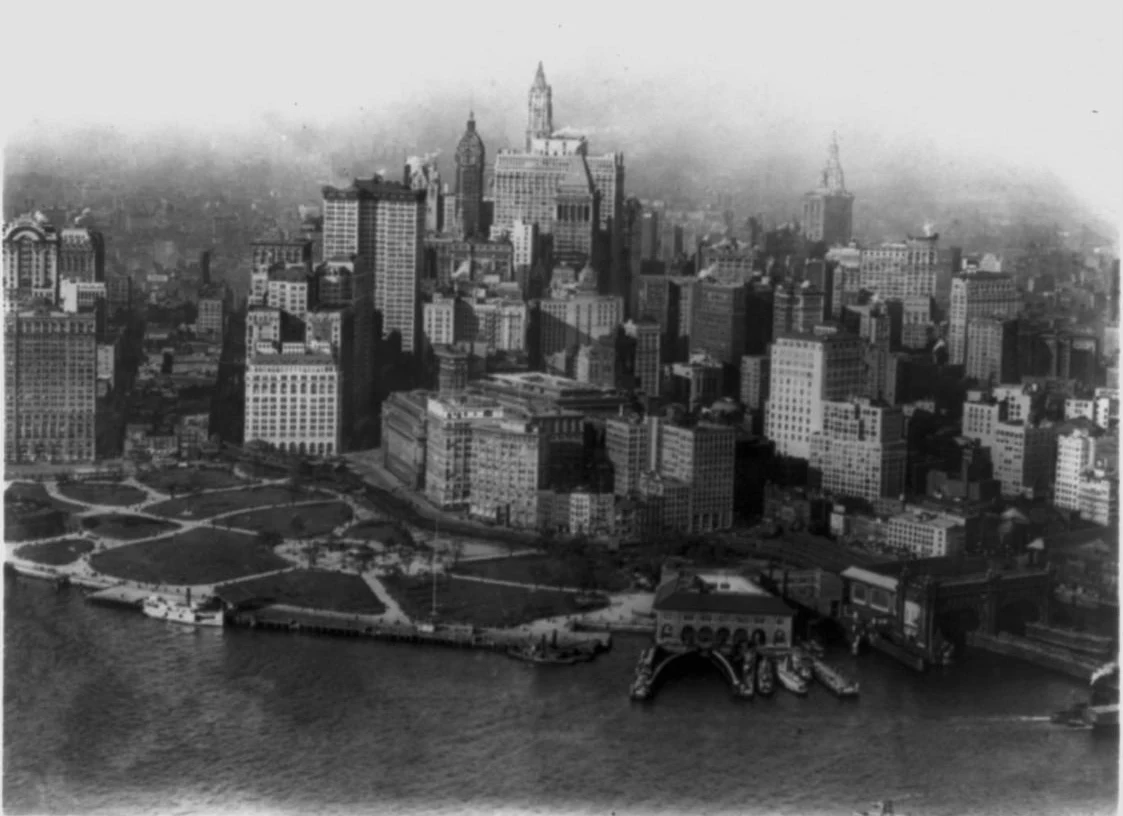
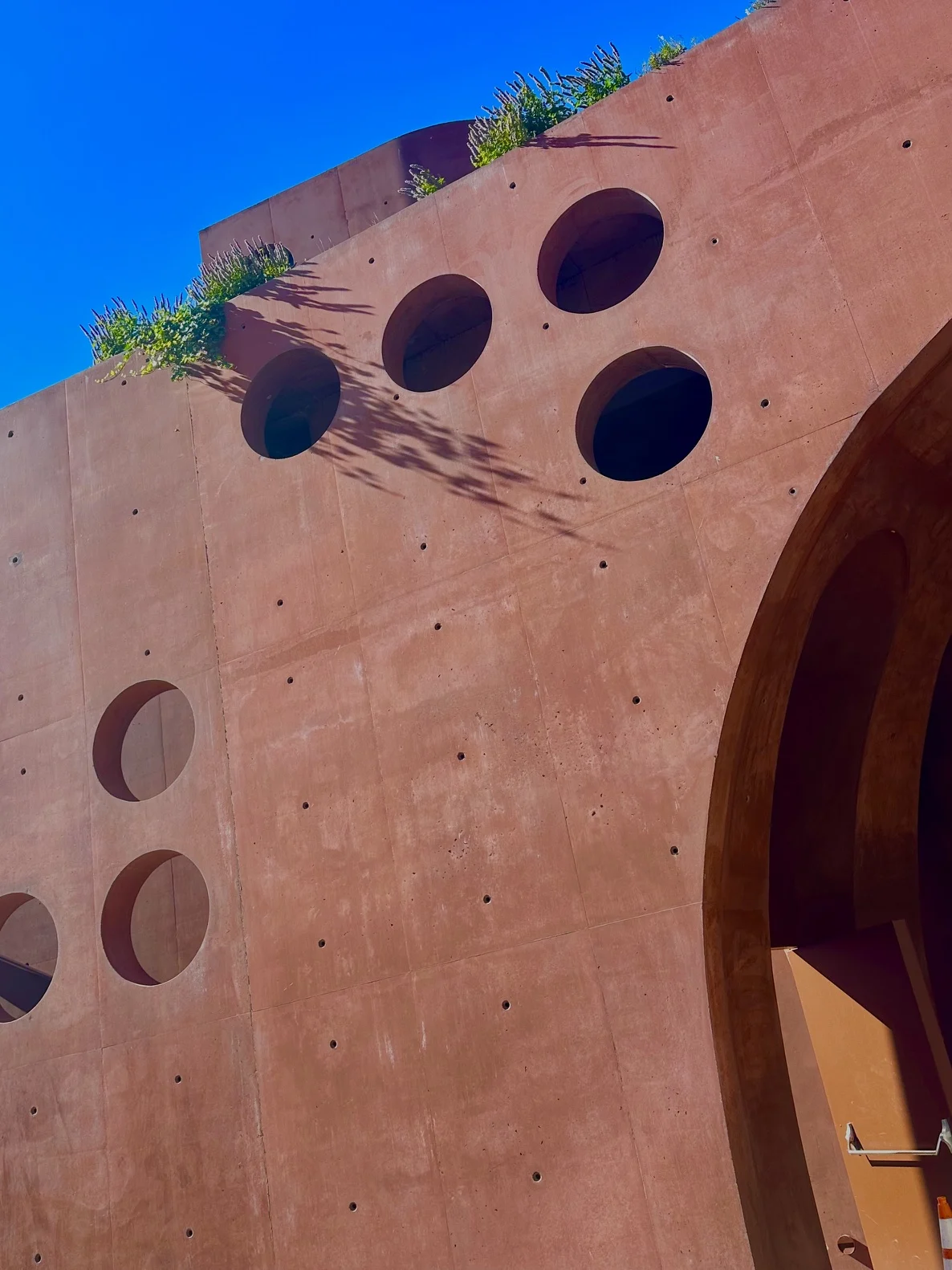
From there, we’ll head north along the Hudson into Battery Park City, where 36 acres of parks are cared for organically, with compost and compost teas instead of chemicals, and almost all new plantings are native. Wagner Park reopened in 2025 after being raised about ten feet for flood protection, replanted as four native, salt-tolerant landscapes: tidal estuary, maritime meadow, maritime forest and upland woodland. Its new pavilion, designed by the architect Thomas Phifer, is a bold, minimalist block of deep red concrete with arched vaults, round openings and plantings spilling over its roof, and it holds a restaurant and an observation deck over the harbor. Right next door is the Museum of Jewish Heritage, Kevin Roche’s six-sided modernist memorial from 1997, whose six sides and pyramid roof recall the six million Jews murdered in the Holocaust. Teardrop Park is close to 90 percent New York native, with redbuds and silverbells blooming in spring, and South Cove’s walkway is shaded by cedars of Lebanon. Every spring, tens of thousands of daffodils and tulips light up the esplanade, and Rector Park’s crabapples bloom right alongside them. Keep going and the planted promenade carries on up the West Side Highway toward Rockefeller Park’s meadows and perennial borders.
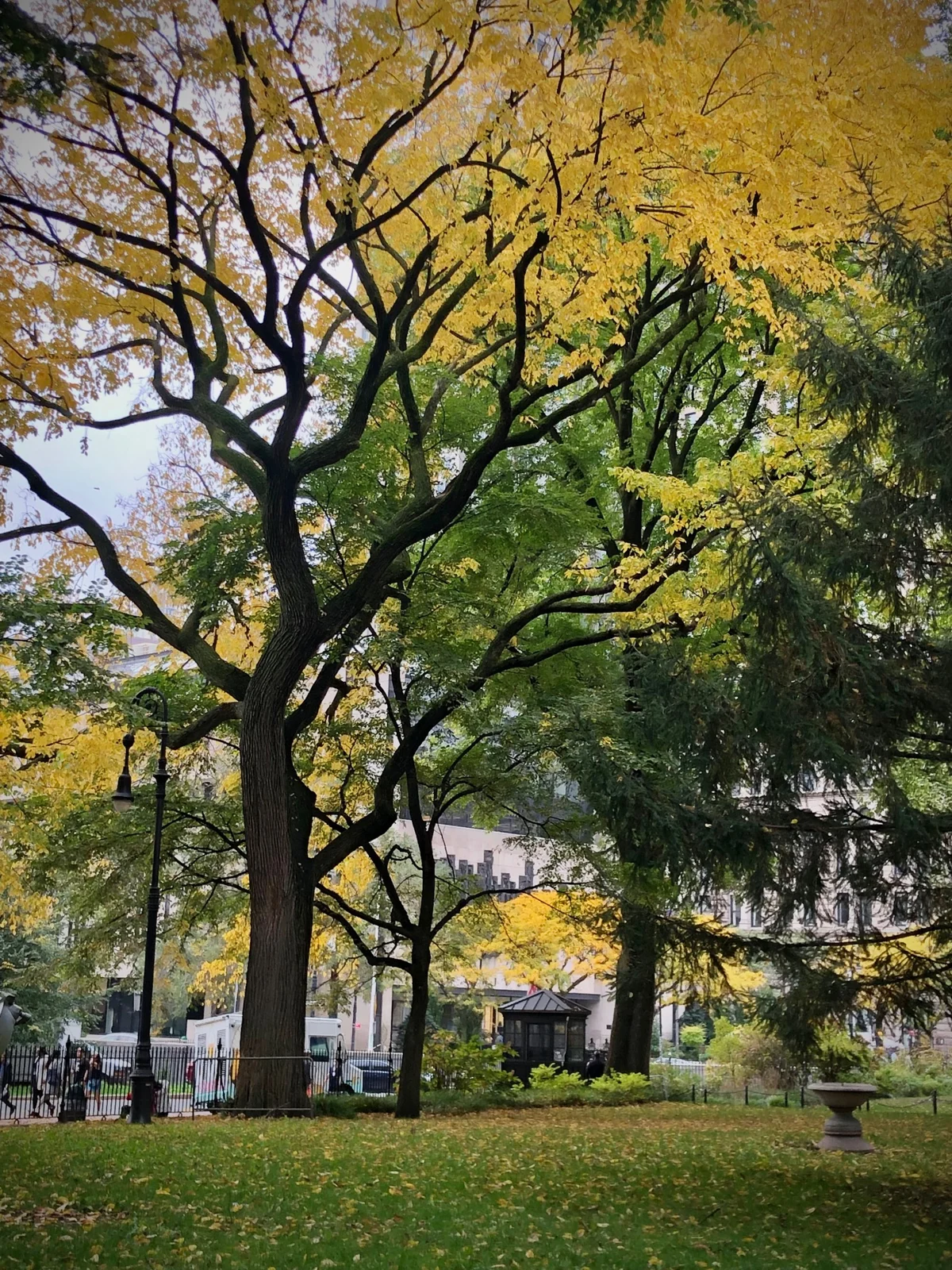
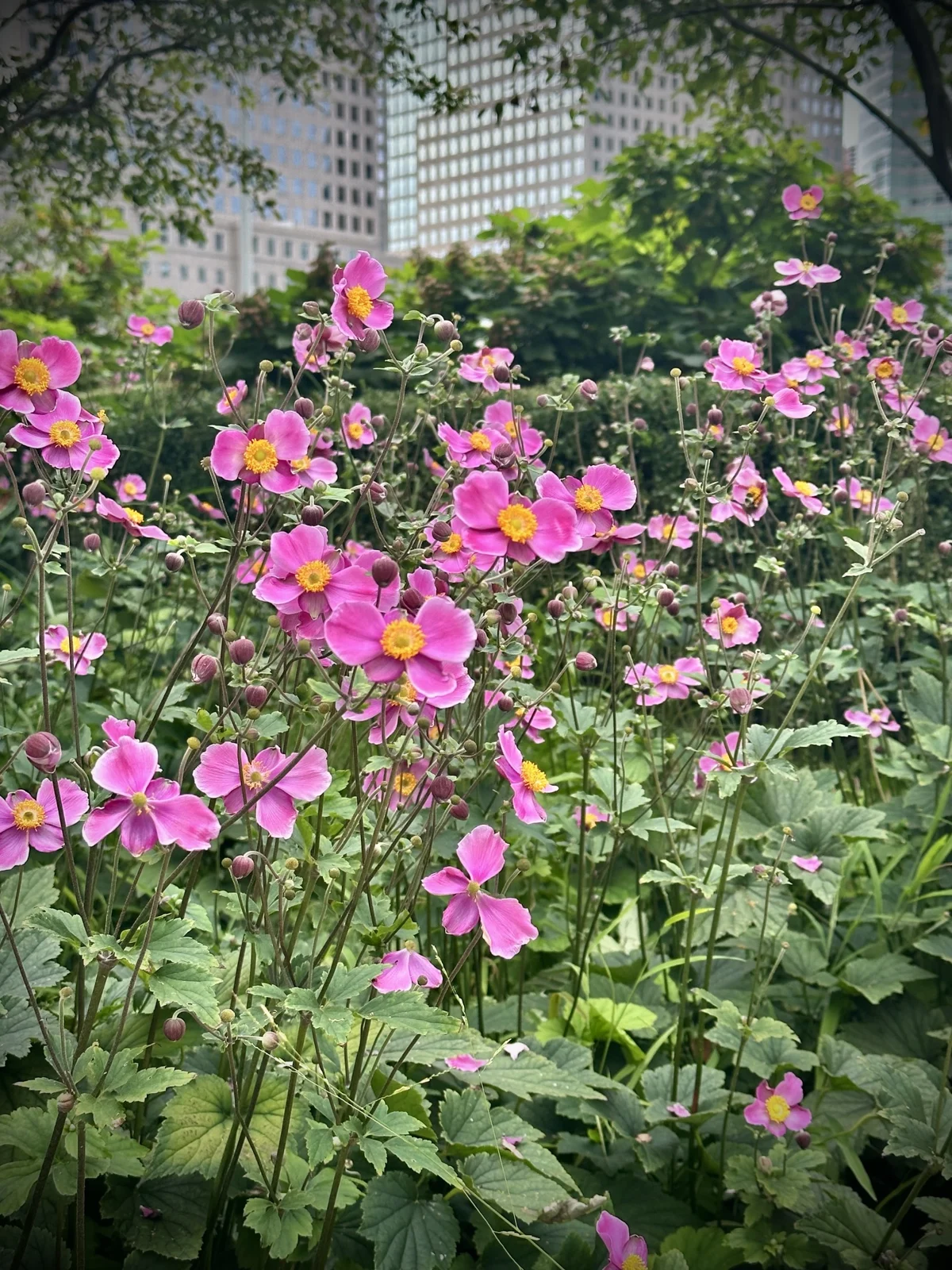
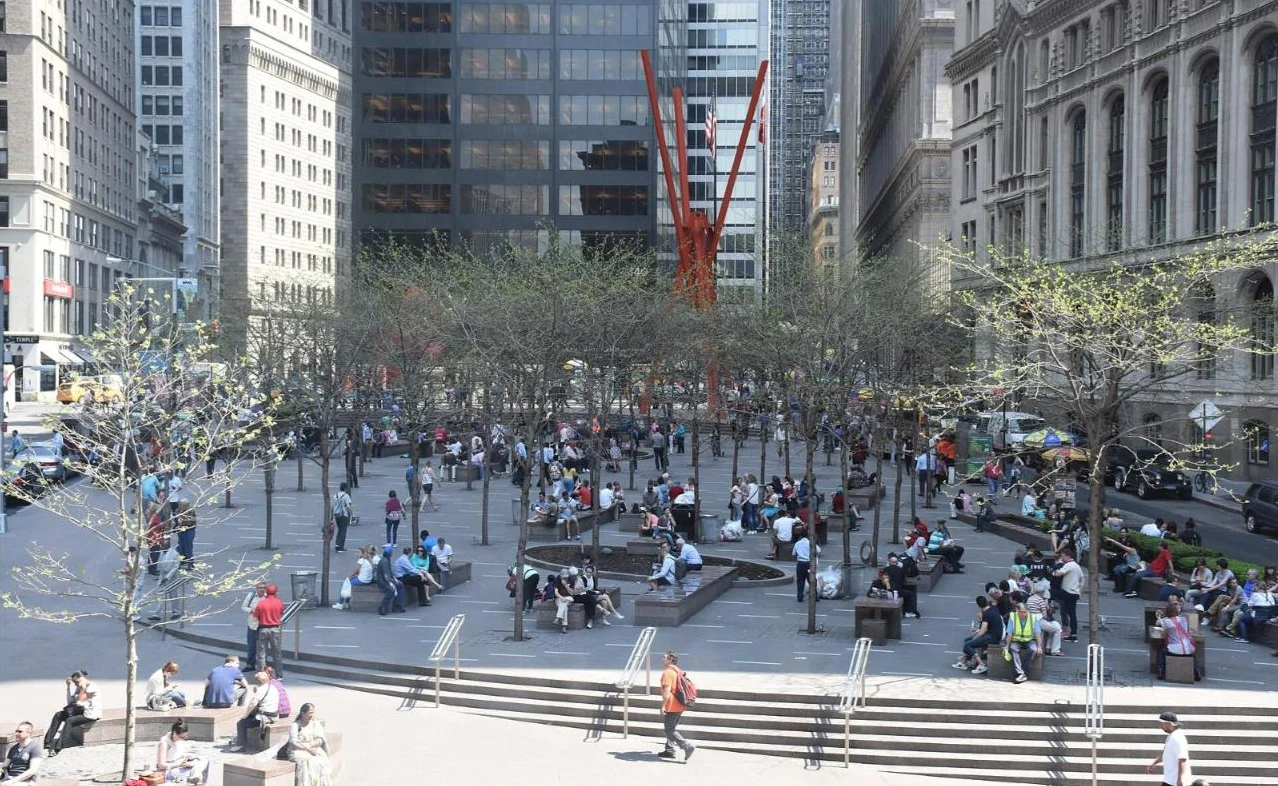
Across town, the East River waterfront has its own green streak, from the native coastal plantings along the East River Esplanade to the lawns of Pier 15 and the grasses and perennials of Peck Slip. Tucked between the towers, Coenties Slip has a big linden and lemon-scented sweetbay magnolias, and Elizabeth Berger Plaza packs in bald cypress, ginkgo, kousa dogwood, lilac and Japanese painted fern. At the 9/11 Memorial, about 400 swamp white oaks turn gold each fall around the Survivor Tree, a Callery pear pulled from the rubble as a burned stump, nursed back to health in the Bronx and replanted in 2010. It still blooms white every spring. Zuccotti Park is shaded by honey locusts, Liberty Park above the World Trade Center has a living wall of 22,000 plants, and City Hall Park, restored in 1999 with more than a hundred new trees, is one of the prettiest places downtown to catch fall color.
Art Around Every Corner
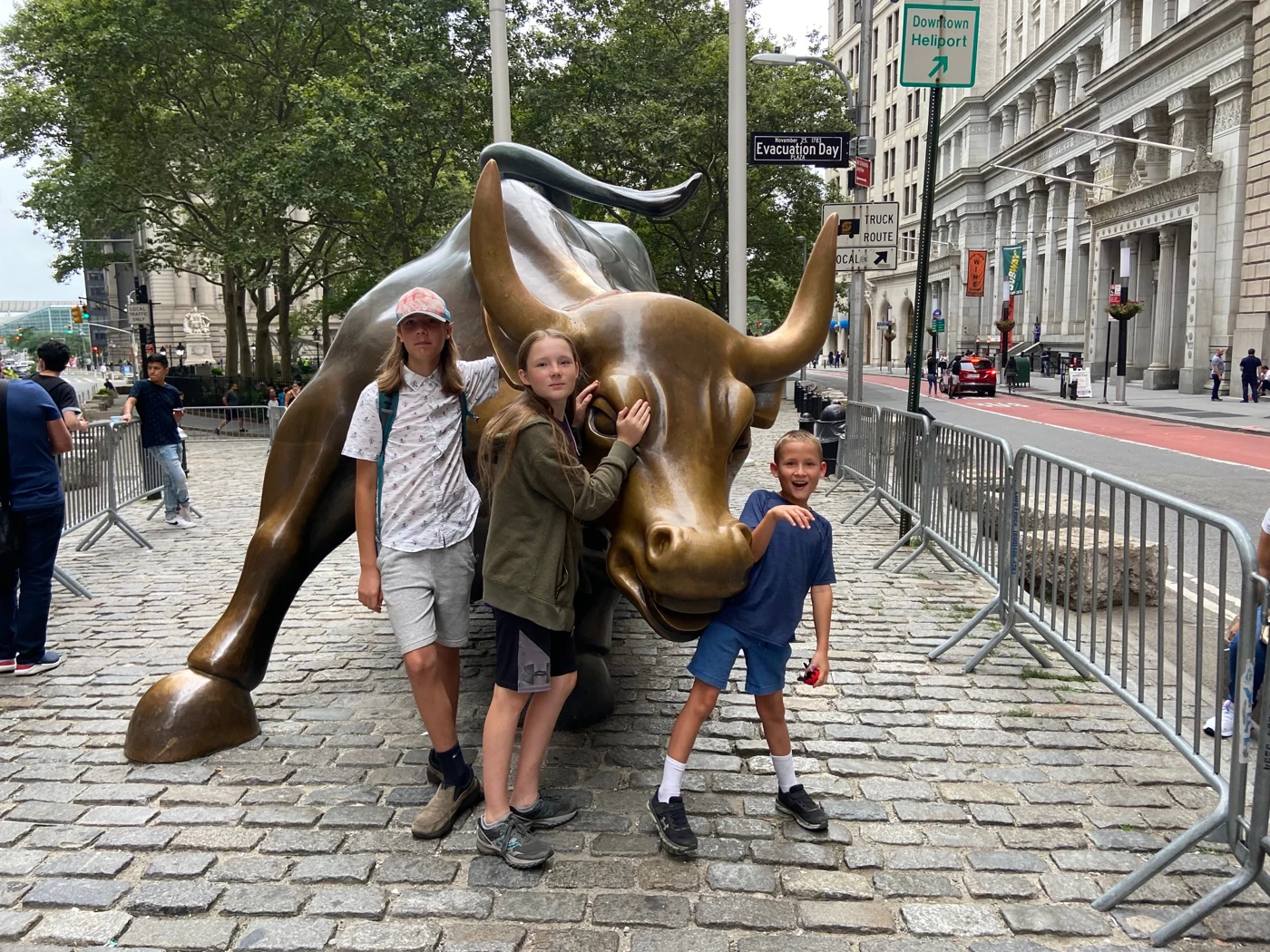
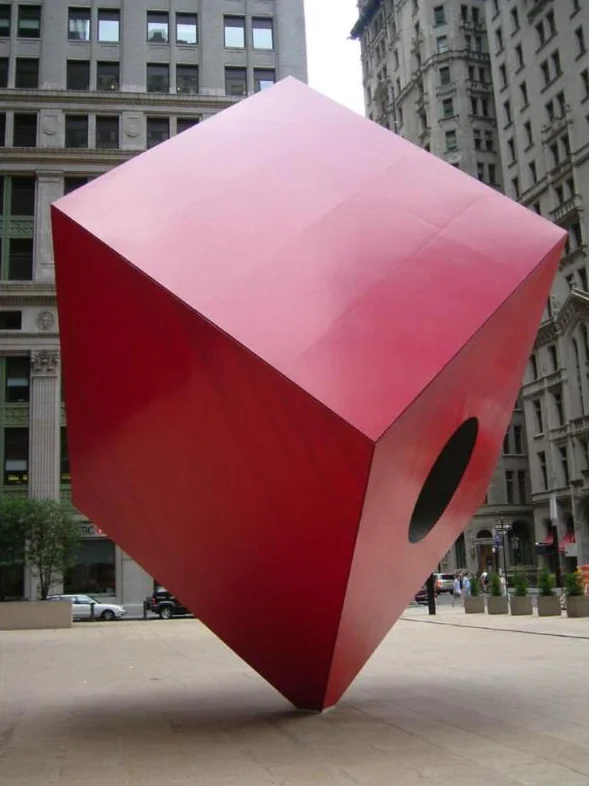
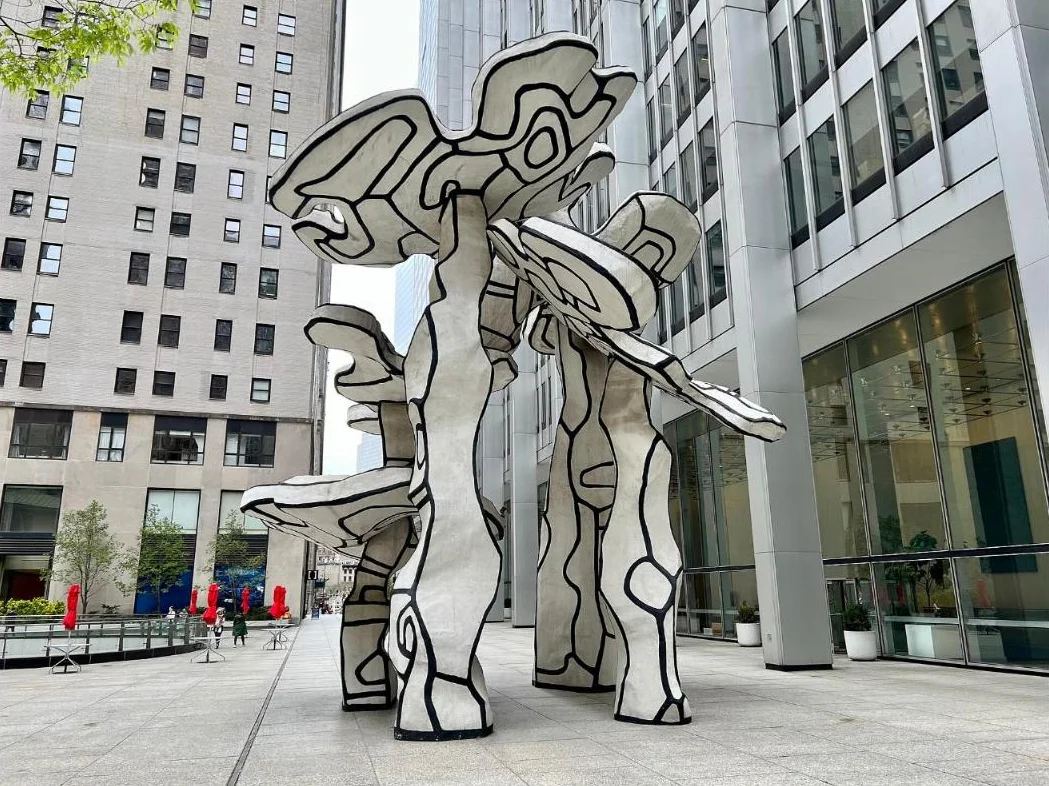
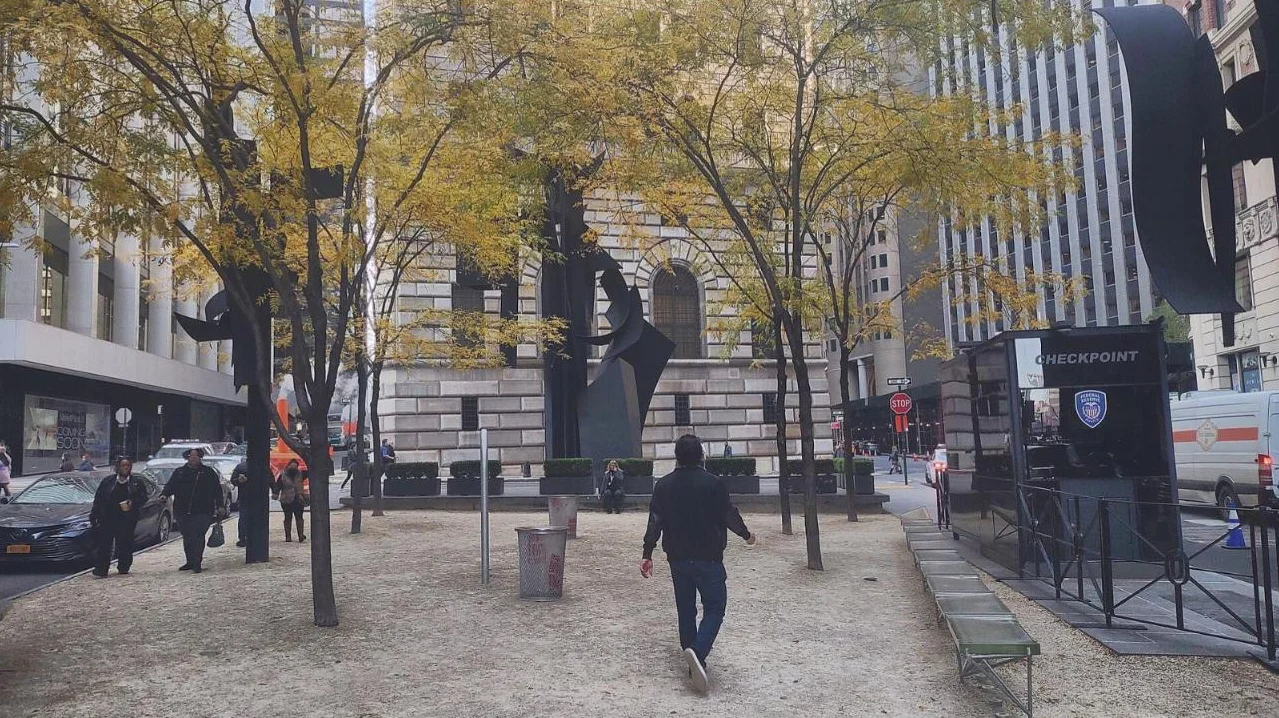
Living downtown means walking past world-class art on the way to the subway, so let’s take the long way. The Charging Bull arrived as a guerrilla Christmas gift in 1989, when Arturo Di Modica dropped it outside the Stock Exchange overnight; it has stood at Bowling Green ever since. Fearless Girl now faces the Exchange on Broad Street. Isamu Noguchi’s bright Red Cube balances on its corner at 140 Broadway, Jean Dubuffet’s 43‑foot Group of Four Trees blooms in black and white at 28 Liberty, and Louise Nevelson’s black steel sculptures fill the little plaza that bears her name. Mark di Suvero’s red Joie de Vivre rises over Zuccotti Park.
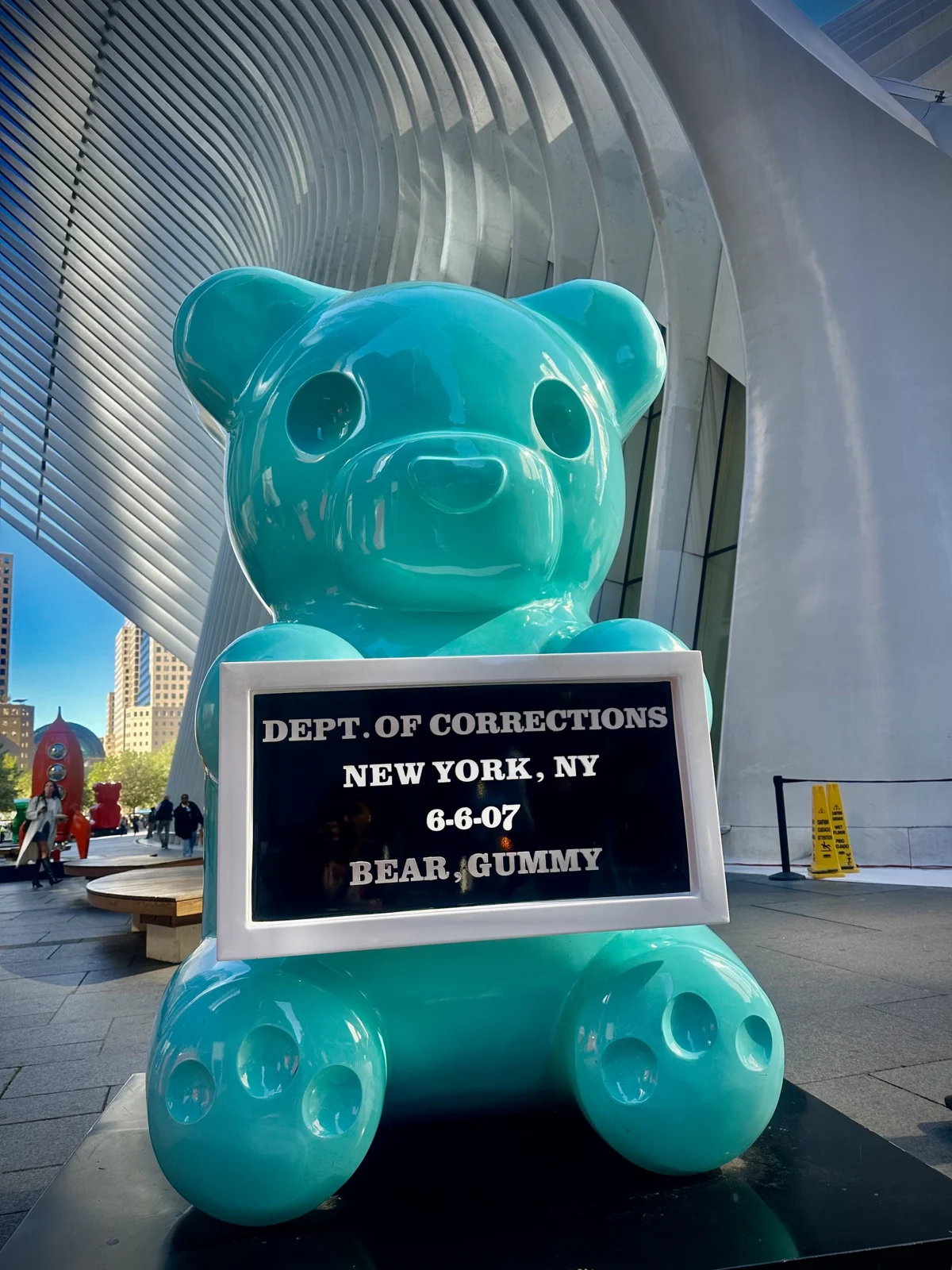
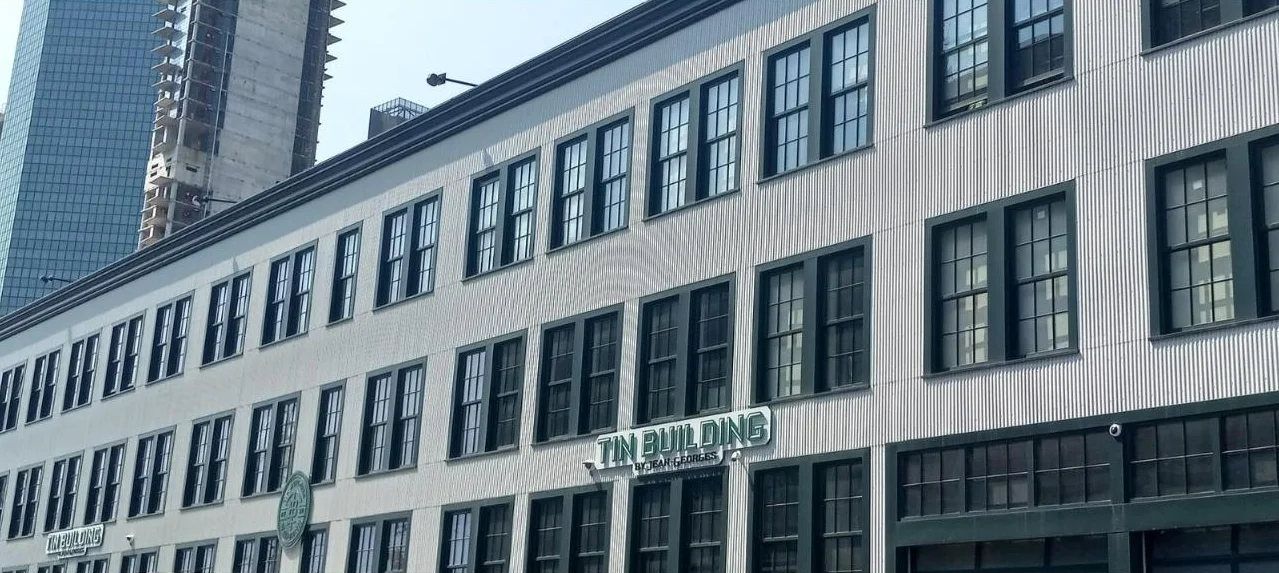
The scene keeps changing, too. Outside the Oculus, through November 2, the anonymous New York artist WhIsBe has filled the plaza with Rewind, six giant steel sculptures of childhood toys, from a 10‑foot rocket ship to his trademark Vandal Gummy bear, holding up a booking board from the city’s Department of Corrections. The old Tin Building at the Seaport, the 1907 Fulton Fish Market hall that Jean-Georges rebuilt into a celebrated food market in 2022, reopened this August as the Balloon Museum, with an immersive show called Daydream: Air Becomes Art. The Seaport hosts rotating photography shows and pop-up galleries, artists have turned construction fences into murals, and the Lower Manhattan Cultural Council’s River To River festival fills the parks with free performances every summer.
Cobblestones and Sea Air
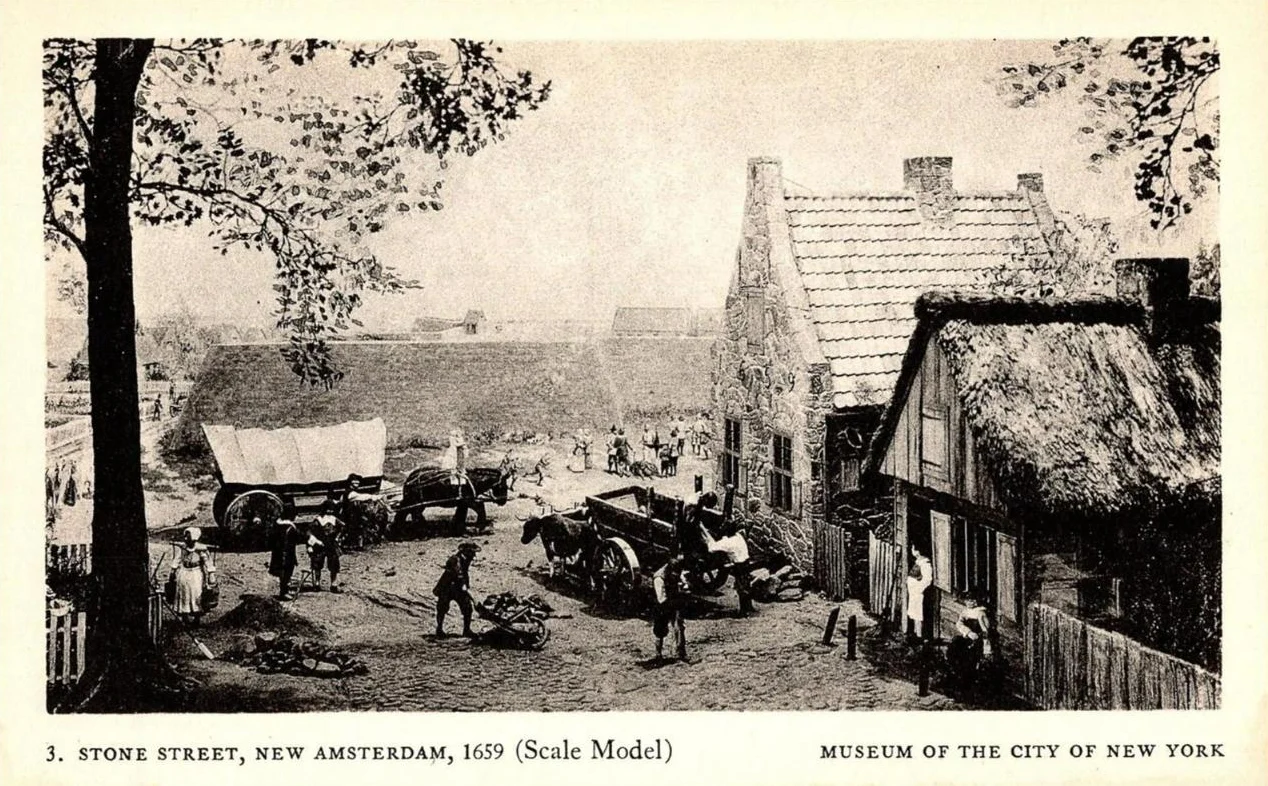
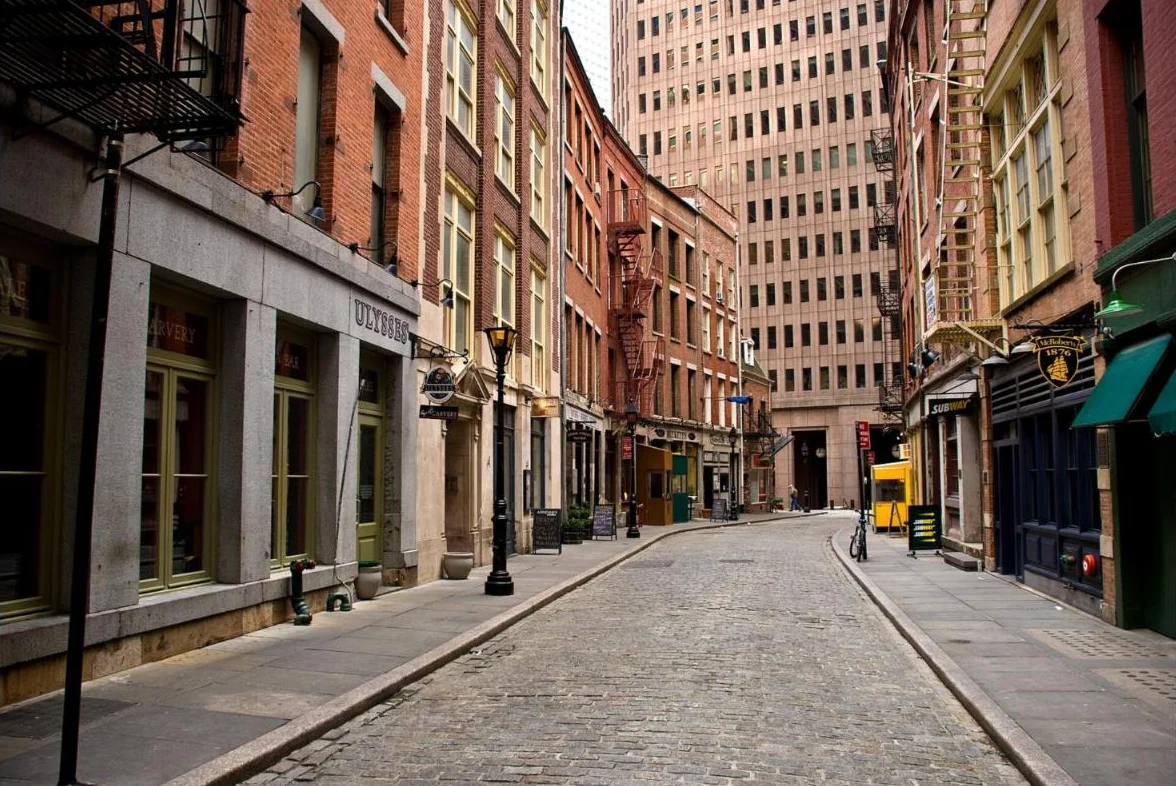
Now let’s slip into the side of the neighborhood that feels like it could be from a different century. Stone Street was the first paved street in New Amsterdam, laid in 1658 by residents who paid for the cobblestones themselves. Today it’s a pedestrian lane of 19th-century buildings, and in warm months the whole block becomes one long outdoor dining room.
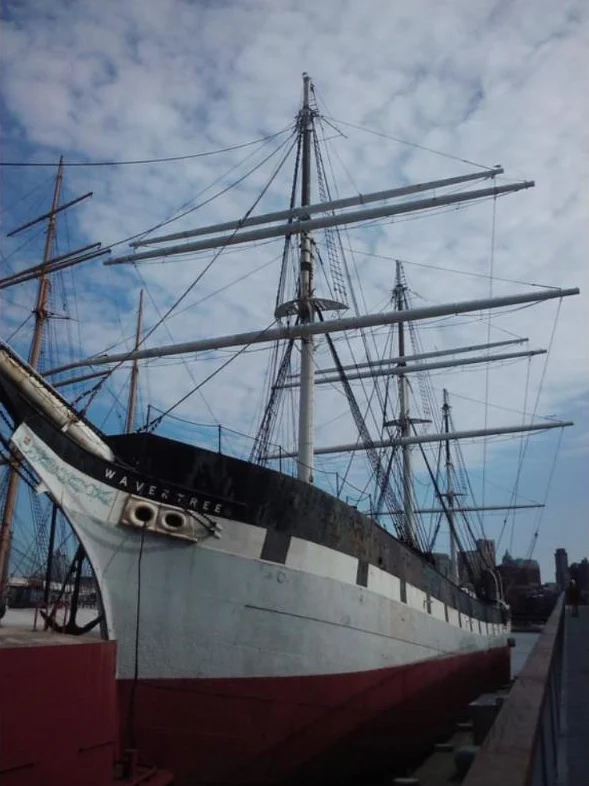
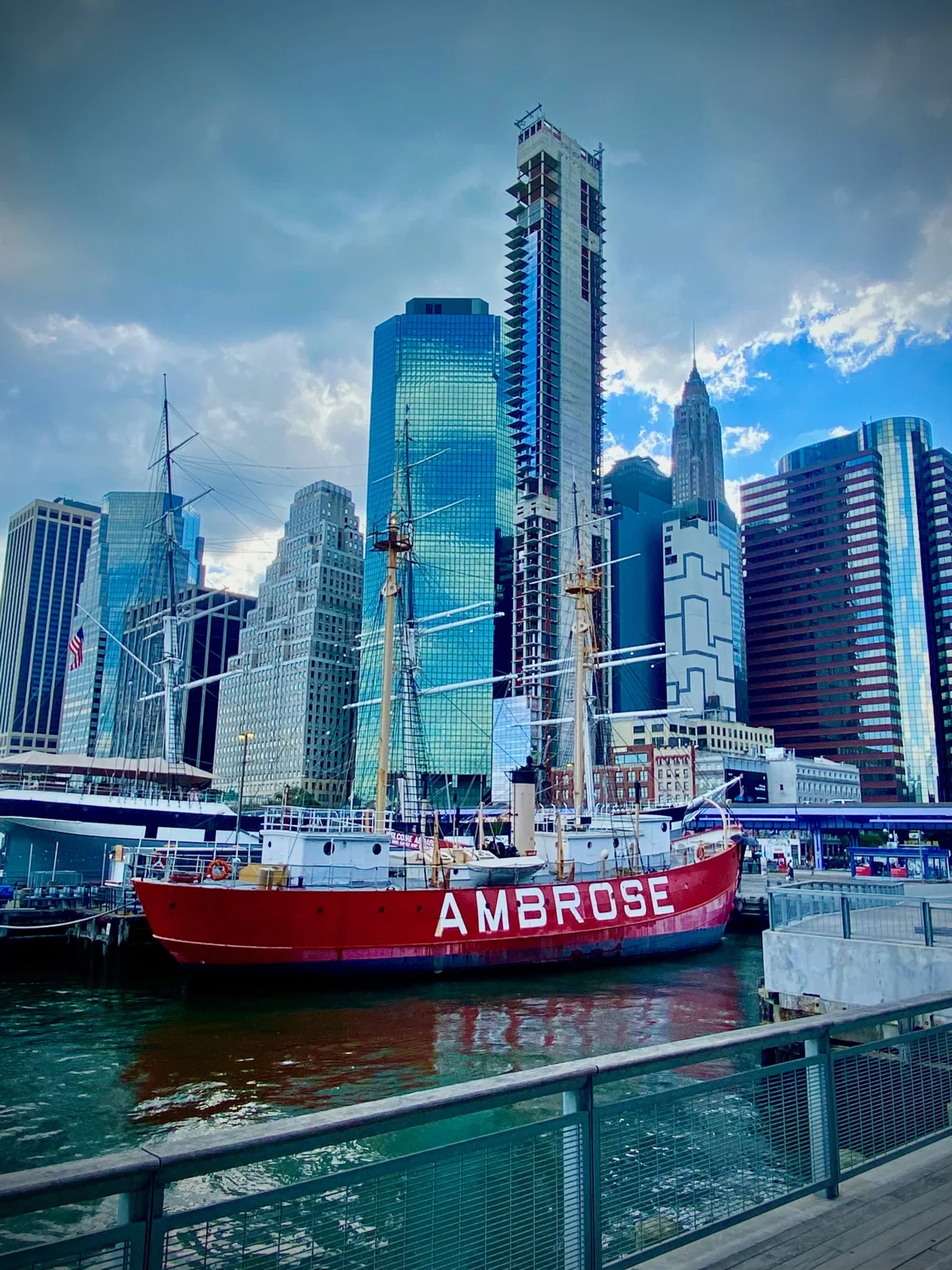
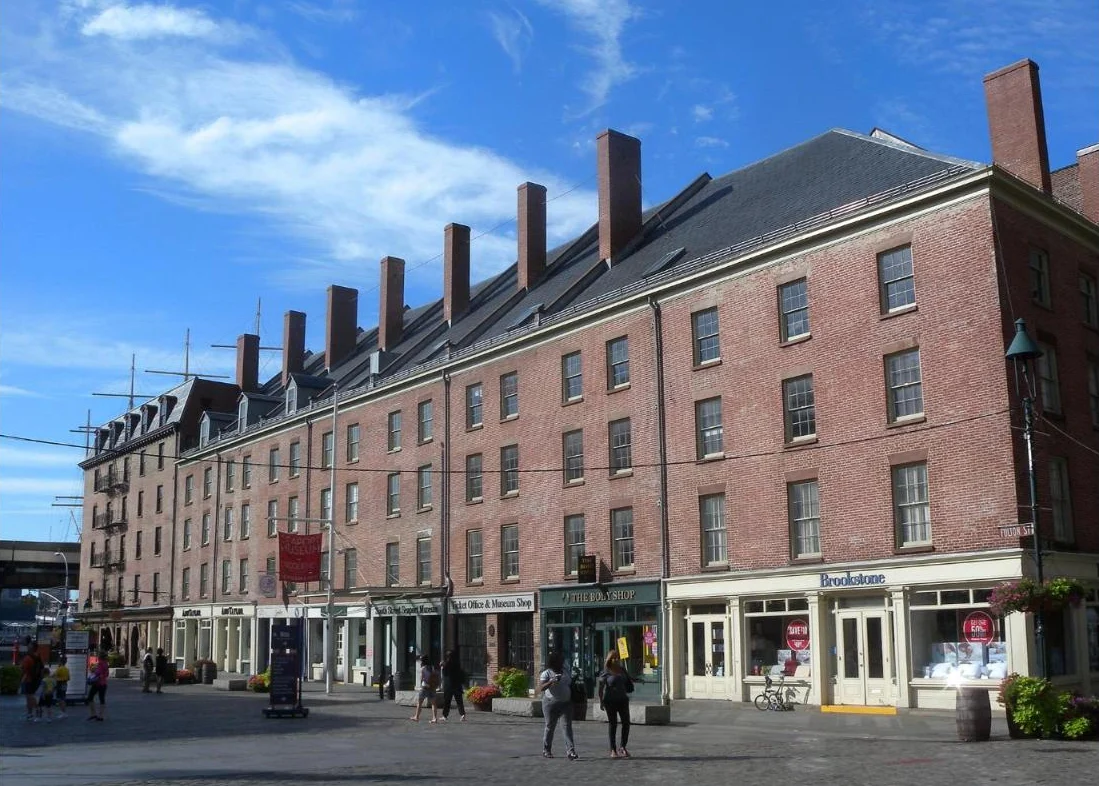
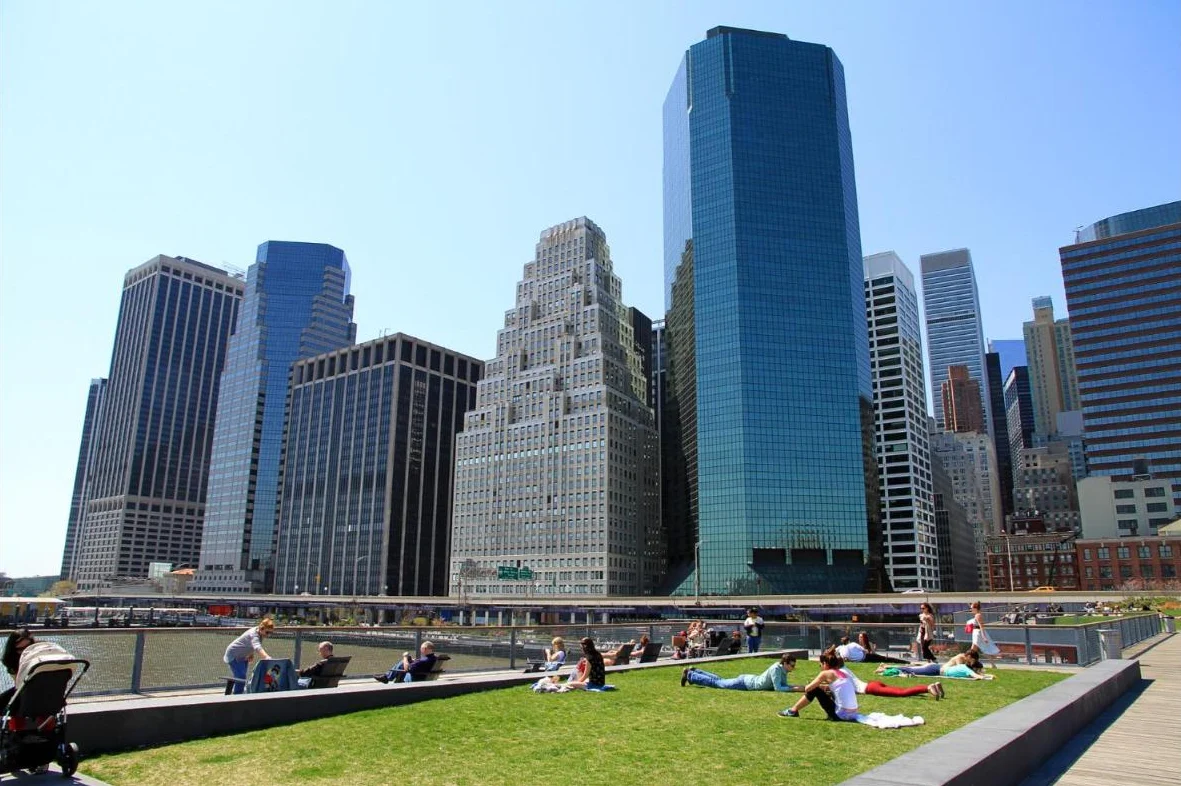
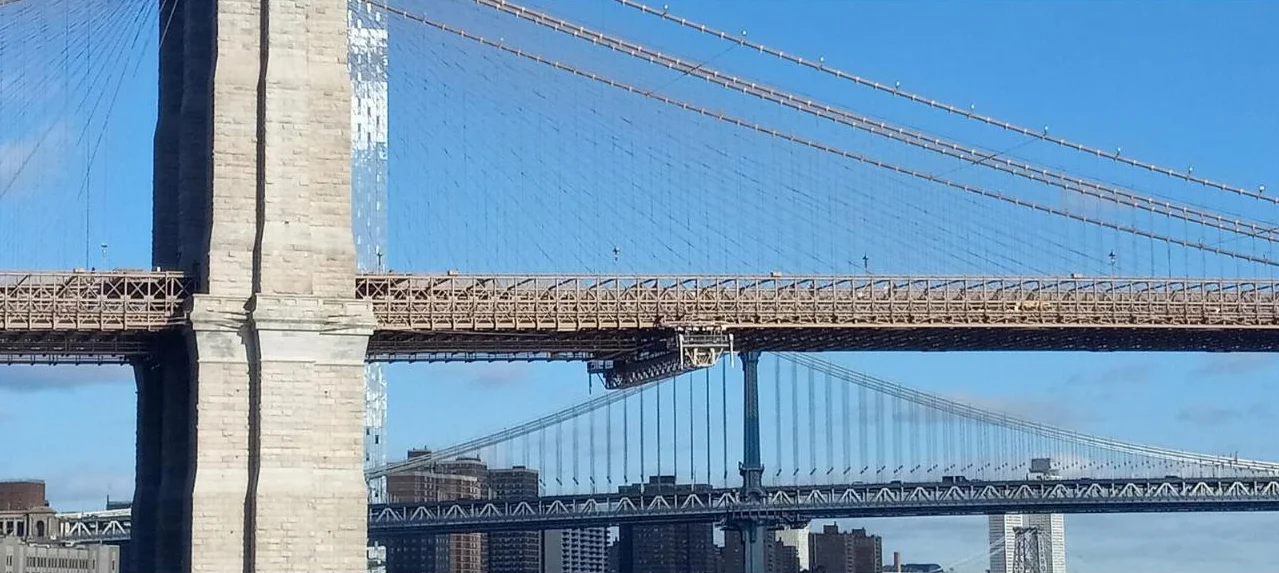
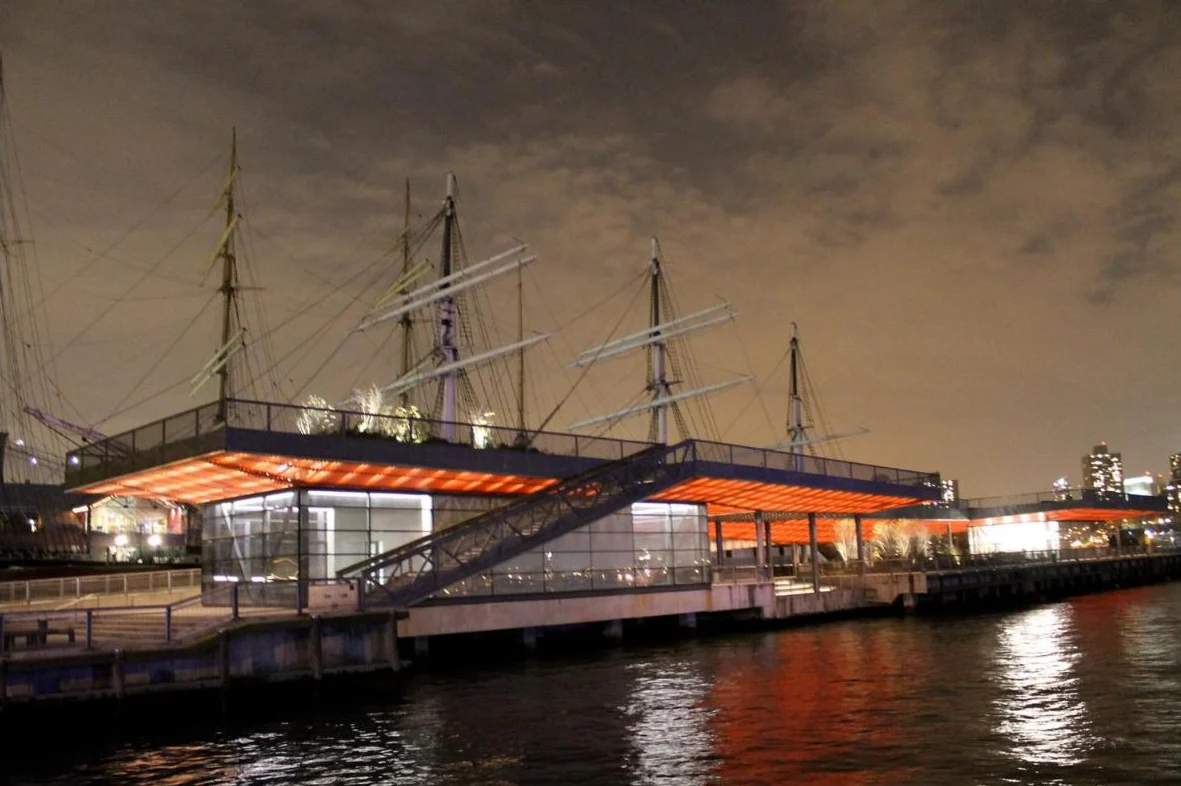
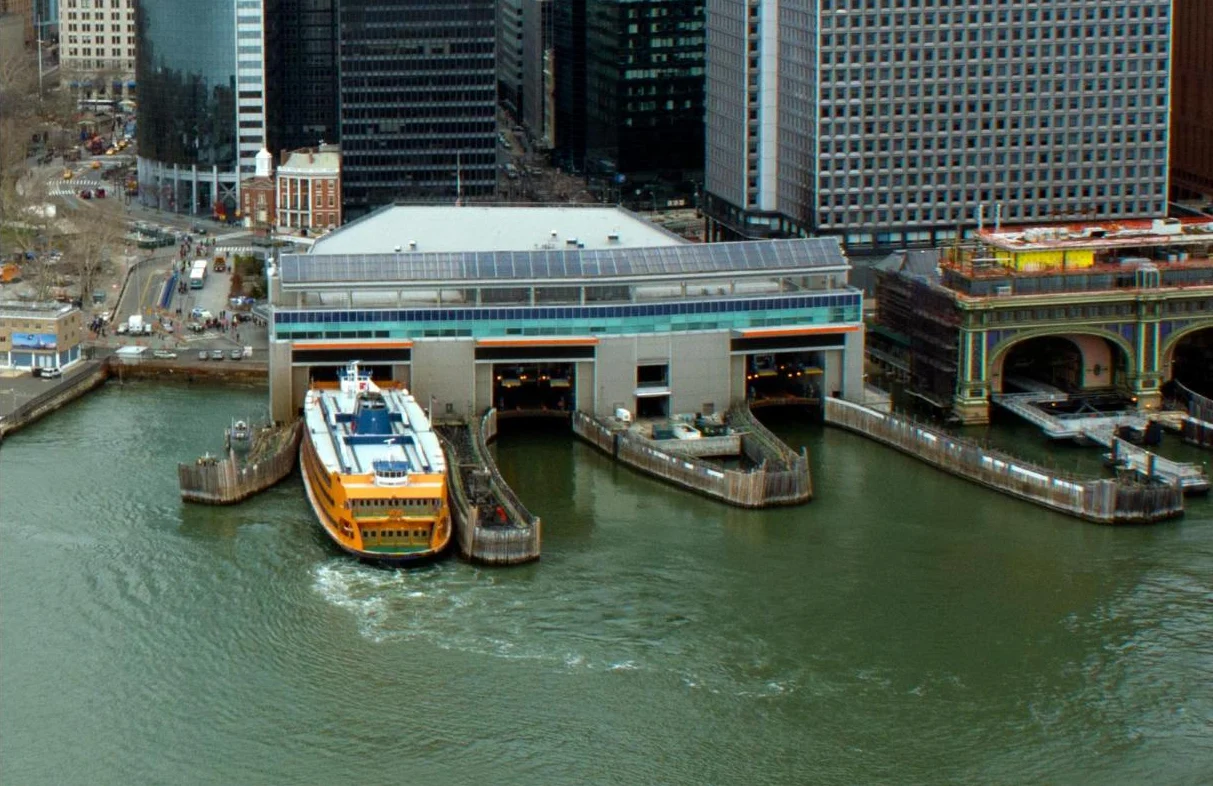
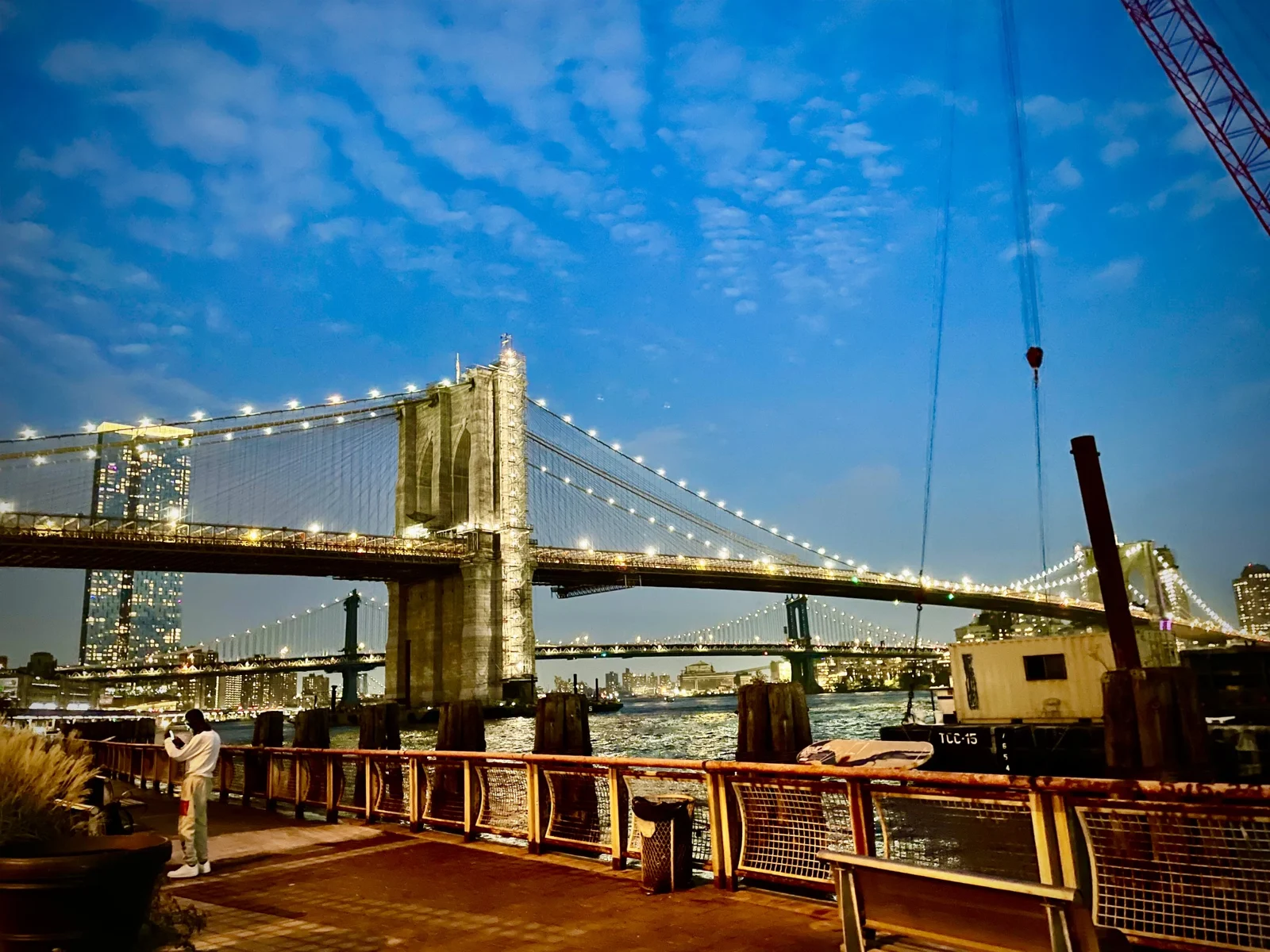
A few minutes east, we reach the South Street Seaport, with a romantic, seaside quality you won’t find anywhere else in Manhattan. Schermerhorn Row’s Federal-style counting houses date to 1811, the tall ship Wavertree, built in 1885, still rests at the pier, and the South Street Seaport Museum tells the story of the port that built the city. South Street is one of my favorite places to soak up some sun or get in a little exercise. Walk out onto Pier 15 at golden hour, with the Brooklyn Bridge in front of you and the East River lapping below, and it’s hard to believe you’re a few blocks from Wall Street. Ferries from Pier 11 can have you in Brooklyn, Queens or the Rockaways, and the free Staten Island Ferry is one of the best date nights in the city.
From Offices to Homes
Let’s talk about what’s changed. Lower Manhattan has been turning offices into homes for three decades. Since 1995, nearly 22.5 million square feet of office space downtown has been converted to housing, and about half of all the apartments in the area came from a former office building. The neighborhood’s population has grown from about 22,900 in 2000 to roughly 70,000 today.
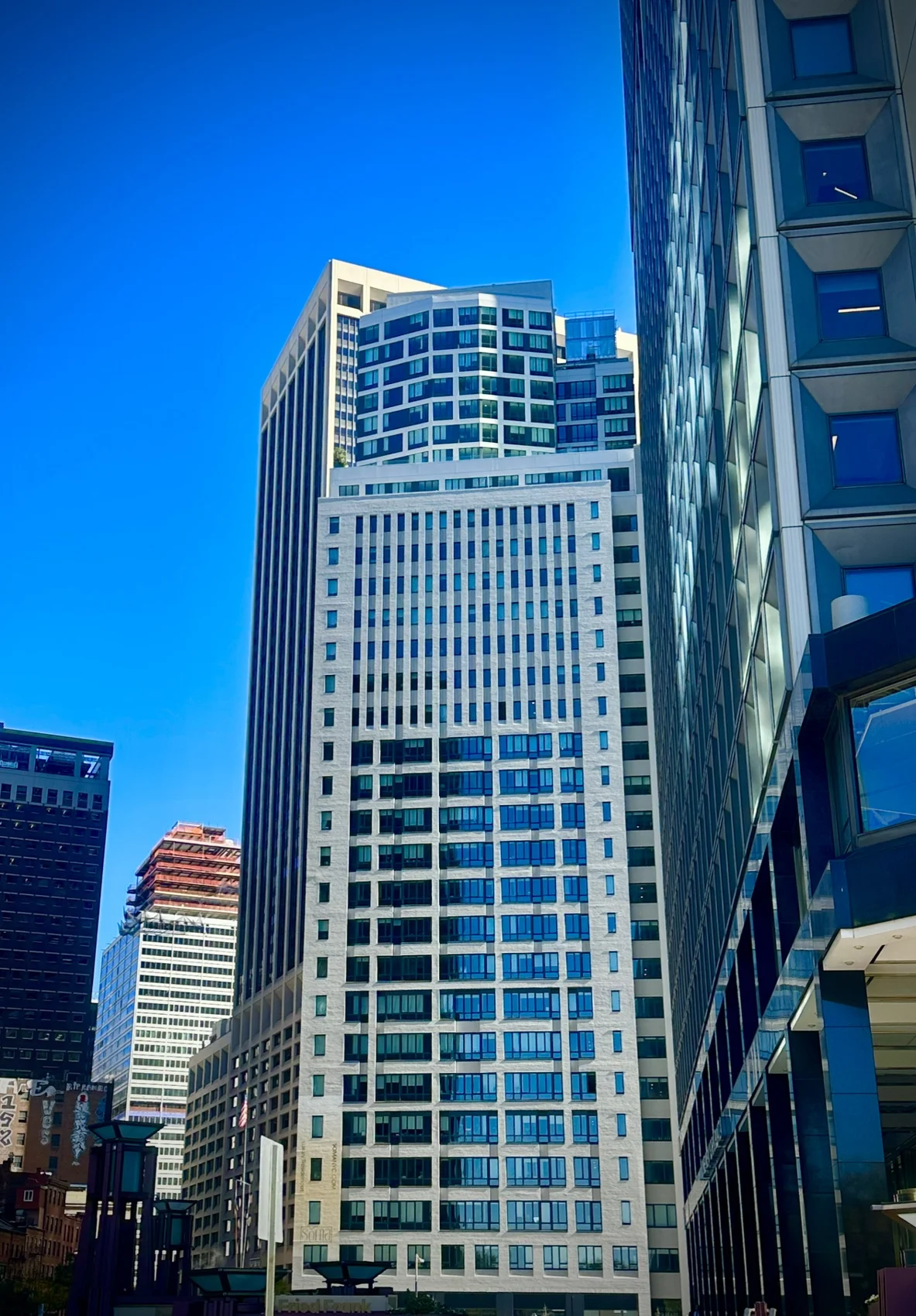
The last few years have been the biggest chapter yet. In 2025 alone, more than 1,800 converted apartments opened in Lower Manhattan, and a dozen more conversions were announced. Some of the biggest names in finance have handed their towers over to residents: 25 Water Street, once home to JPMorgan Chase’s back offices, reopened in 2025 as SoMA, with 1,320 apartments, billed as the largest office-to-residential conversion in U.S. history, and 222 Broadway opened this spring as Wrey, with nearly 800 more. Behind them is a whole movement to restore downtown’s older office buildings, from mid-century towers to landmarked bank headquarters, and give them new lives as homes. There’s far more in the pipeline than I can fit here, and I keep close tabs on all of it, so ask me what’s coming next.
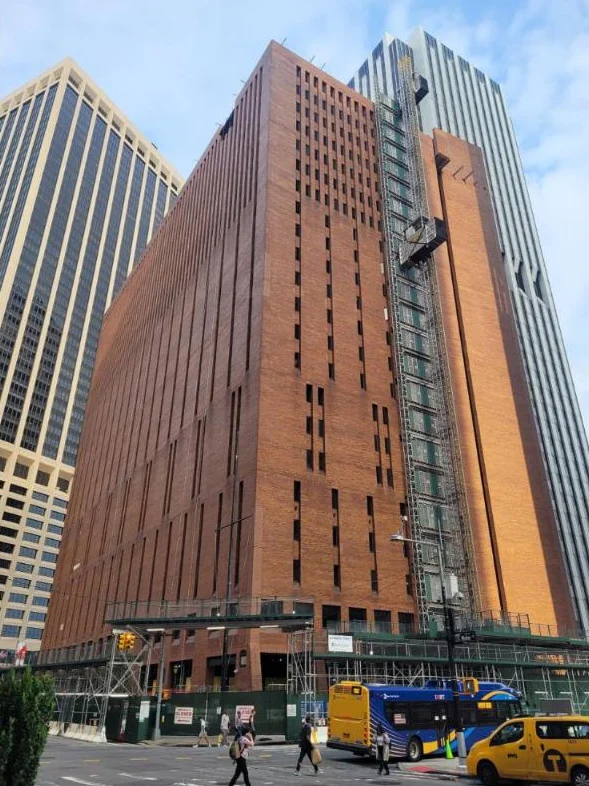
Two things made this wave possible. In 2024 the state created a tax incentive, known as 467‑m, that rewards conversions that set aside a quarter of their apartments as permanently affordable. And the city’s City of Yes for Housing Opportunity rules, adopted in December 2024, opened conversion up to buildings built as late as 1990.
The Greenest Building Is the One Already Standing
There’s a quiet environmental story here too. A big share of any new building’s carbon footprint comes from making its steel and concrete in the first place. Keep the structure, and you keep that carbon out of the air. The American Institute of Architects and the National Trust for Historic Preservation estimate that reusing a building avoids 50 to 75 percent of the embodied carbon of building the same thing new. A 2023 study by the engineering firm Arup looked specifically at Manhattan offices south of 59th Street and found that converting more of them could cut whole-life carbon by up to 54 percent by 2050.
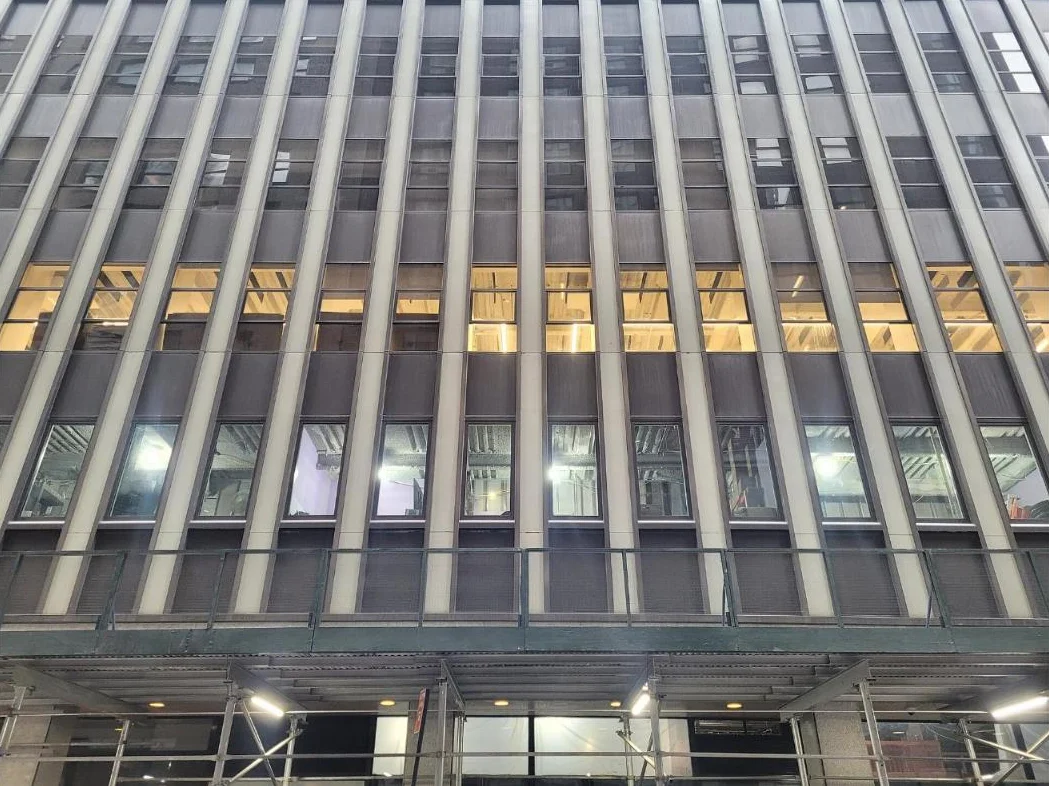
Developers are leaning in. Some of the new conversions are fully electric, with no gas lines at all, and SoMA kept its original brick facade rather than tearing it off, then added insulation and high-performance windows. When you rent in one of these buildings, you’re living in a piece of the city that was saved instead of scrapped.
Resort Amenities, Downtown Prices
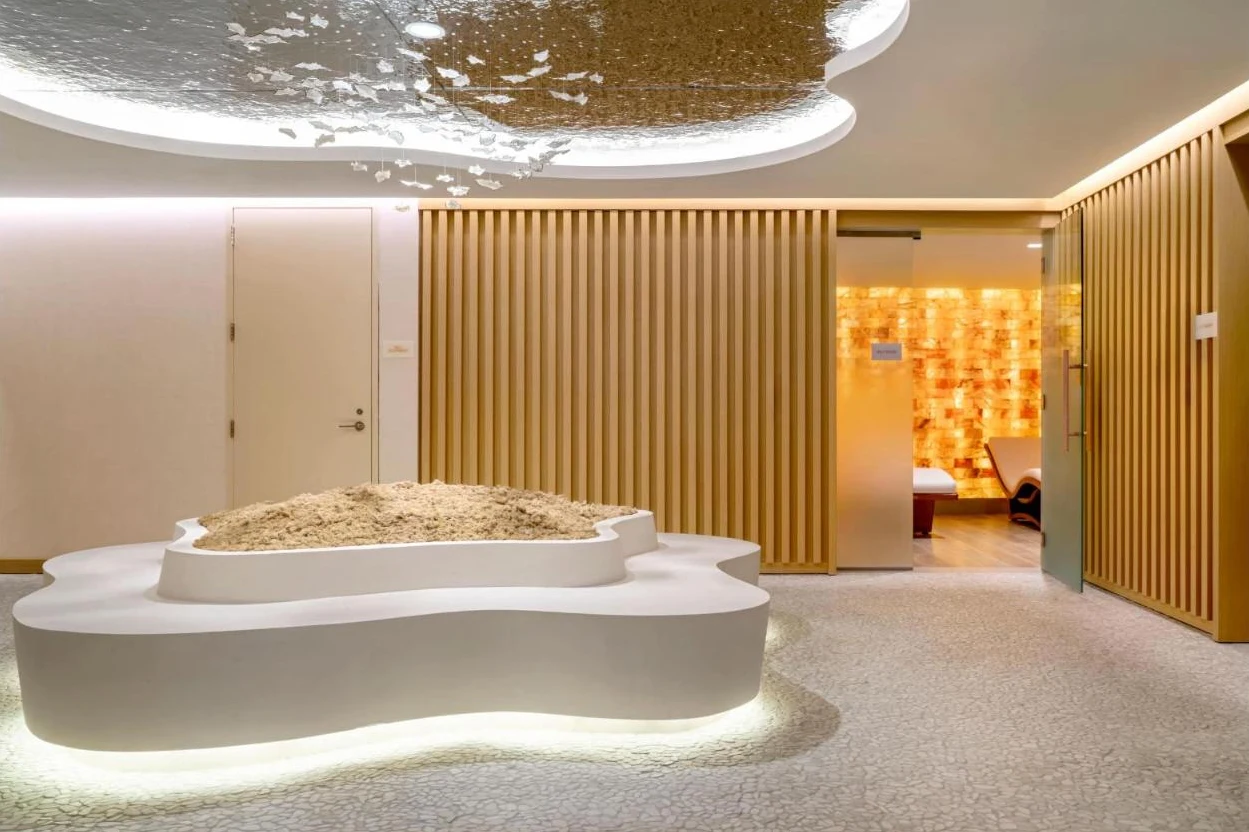
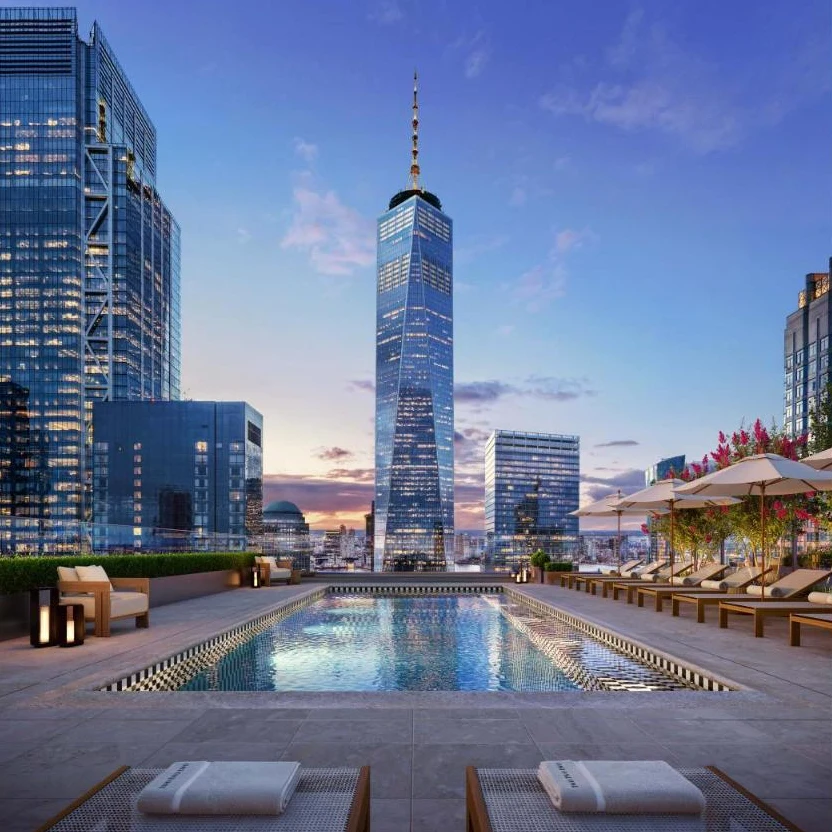
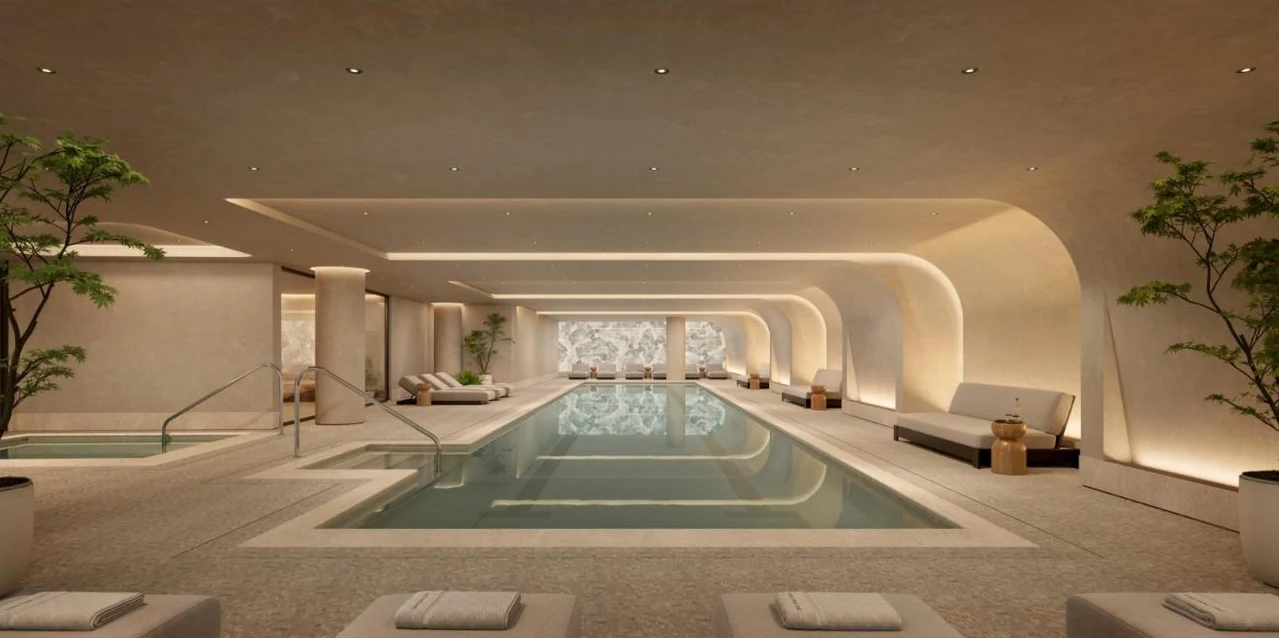
Here’s the part my clients love. Converting a massive office floor plate leaves a lot of room to play with, and these buildings have used it. SoMA has about 100,000 square feet of amenities, including an indoor pool, an outdoor pool on a 25th-floor terrace, a spa with a salt room and infrared sauna, pickleball courts and a bowling alley. Wrey has a rooftop pool and a 75‑foot indoor lap pool.
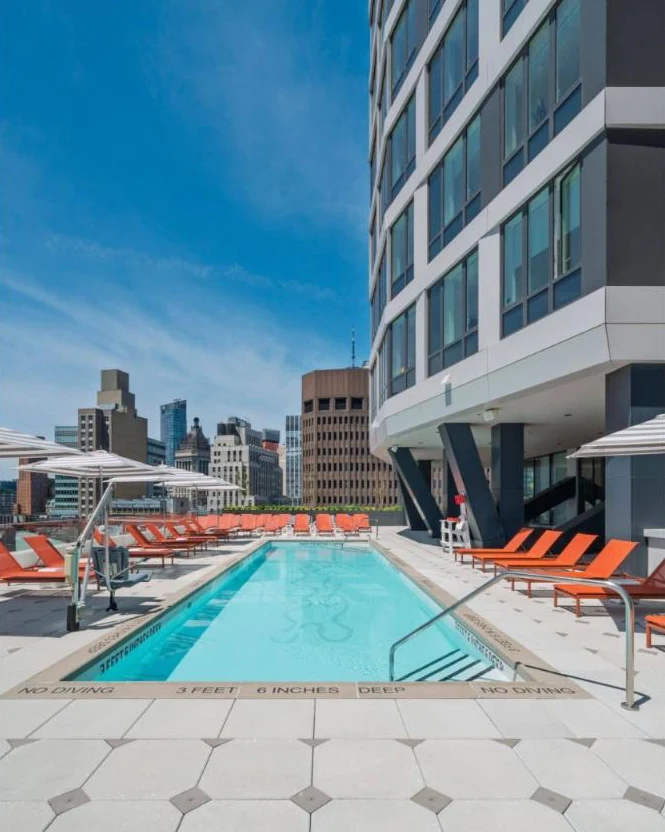
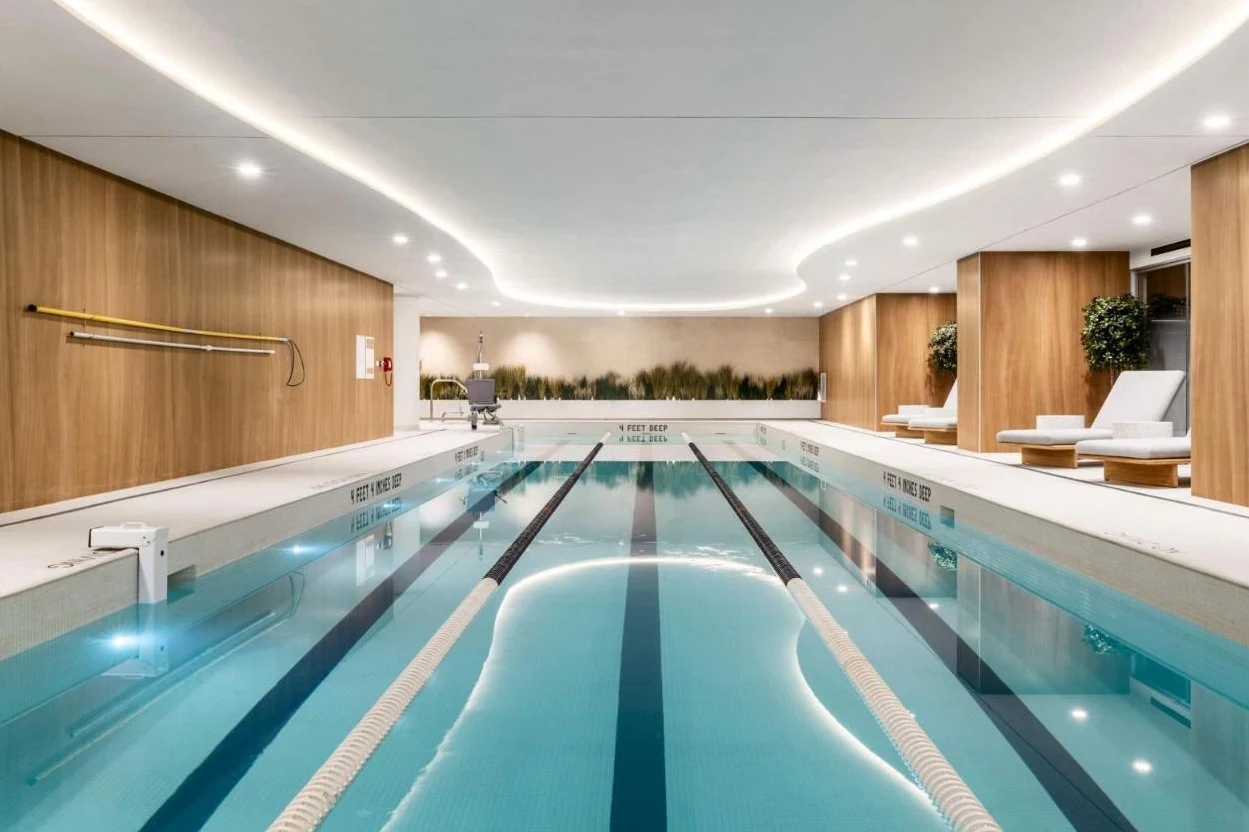
And you get all of that at prices that hold their own. In 2025, average rents in Financial District doorman buildings ran well below Tribeca, SoHo, the West Village and Chelsea, and right in line with the Upper East and Upper West Sides. One-bedrooms here tend to be roomy, too, which makes the price per square foot even more competitive: by my math, a typical Financial District one-bedroom costs less per square foot than one in Chelsea or Hudson Yards. Pools, gyms, coworking lounges and roof decks come standard in a lot of these buildings, at prices that compare well with neighborhoods where you’d pay extra for half of that.
Three Buildings to Know Right Now
SoMA, 25 Water Street (rental). If you want the full resort experience, this is it: two pools, a spa, a basketball court, pickleball, bowling and coworking, in the country’s largest office conversion. Studios started around $3,400 to $3,600 a month at launch, and about a quarter of the apartments are permanently affordable.
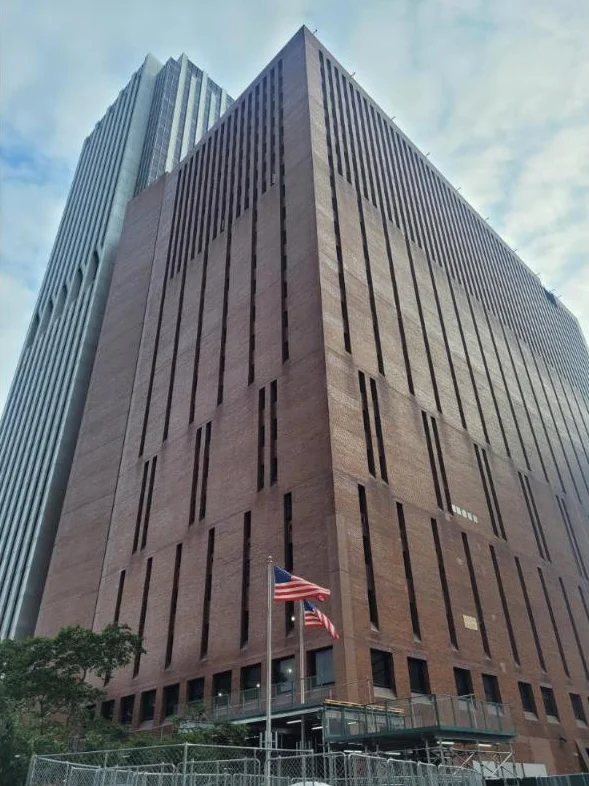
One Wall Street (condominium, with a department store downstairs). Ralph Walker’s 1931 Art Deco tower, the former Irving Trust headquarters, has been reborn as 566 condominiums, with a 75‑foot lap pool, a residents’ restaurant and terrace, and a Whole Foods and Life Time club in the building. In March 2025 it also welcomed Printemps, the legendary Paris department store, in its first American location. Its centerpiece is the Red Room, the landmarked banking hall wrapped in Hildreth Meière’s red and gold mosaics, and the store’s Café Jalu and Maison Passerelle make it a destination for lunch as much as shopping.
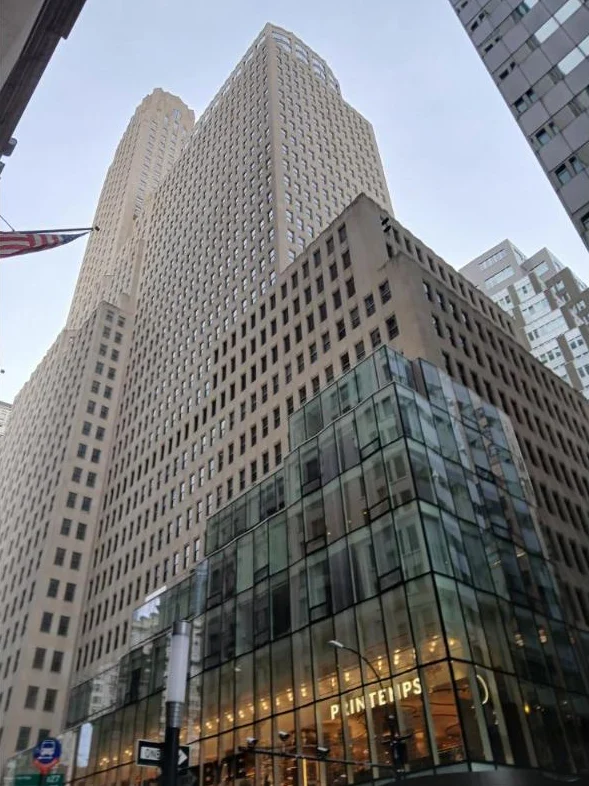
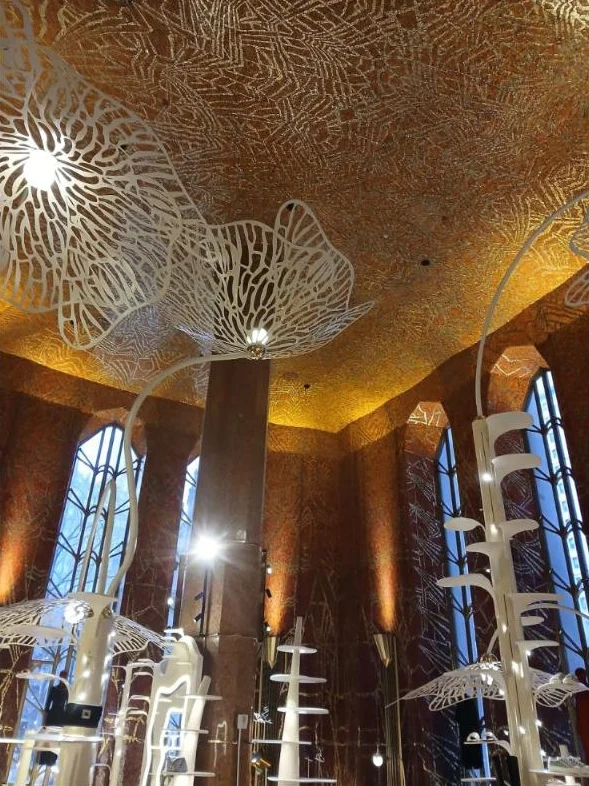
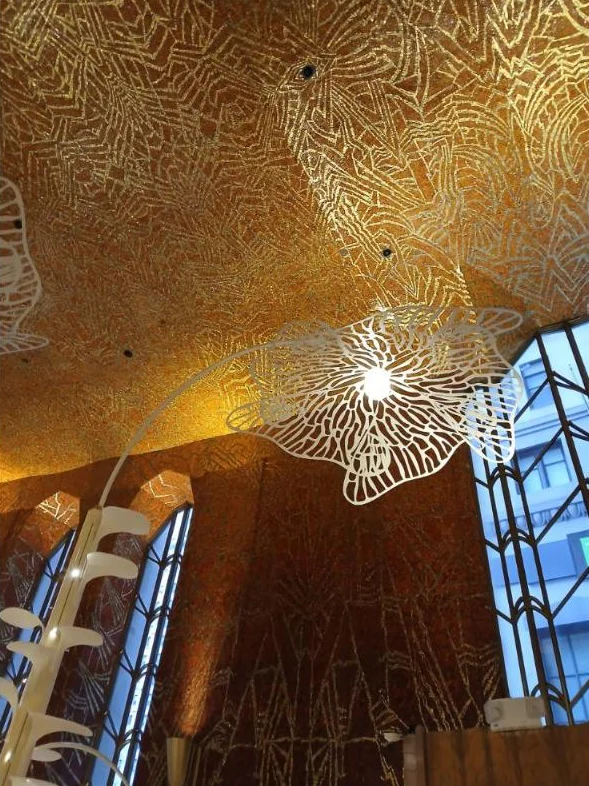
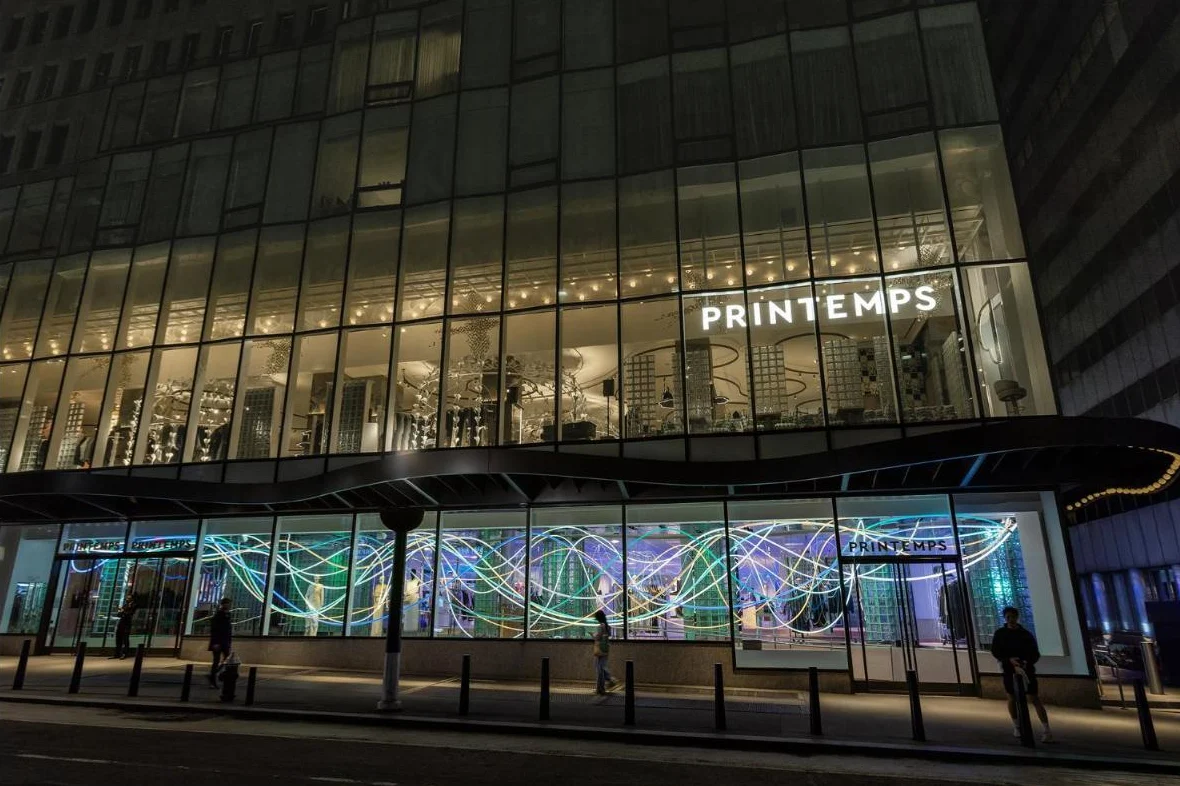
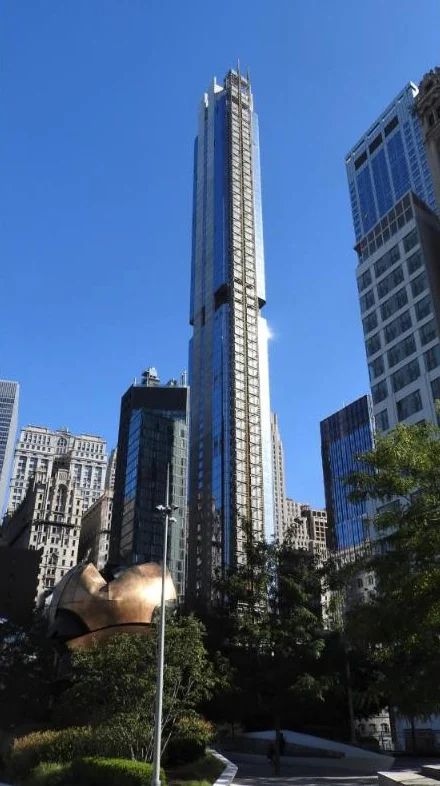
The Greenwich, 125 Greenwich Street (condominium). The late Rafael Viñoly’s 88‑story tower is one of the most striking new condominiums downtown, with 272 residences and a 50‑foot saltwater lap pool more than 800 feet up, facing One World Trade Center. Studios launched at about $1.1 million.
When the Weather Turns
On a cold or rainy day, my first stop is the Oculus. Beneath Calatrava’s soaring white hall, Westfield World Trade Center runs underground in every direction, a whole indoor neighborhood of shops and places to eat. A few highlights:
- Eataly NYC Downtown, 4 World Trade Center. Italy under one roof: a market, a bakery, espresso and sit-down restaurants.
- Westfield World Trade Center, The Oculus. Apple, Kate Spade New York, Stuart Weitzman, Boss, COS, UNIQLO and Sephora, plus treats from La Maison du Chocolat and Lady M.
- Brookfield Place, 230 Vesey Street. Follow the West Concourse to the river for Louis Vuitton, Tory Burch and Omega, the French market Le District and Ladurée, right on the Hudson.
The Oculus is also one of the great transit hubs in the city. It’s the World Trade Center station for PATH trains to Jersey City, Hoboken and Newark, and the underground Dey Street Passageway links it to the Fulton Center, the MTA’s glass-domed hub that opened in 2014 and connects about a dozen subway lines. The restored Corbin Building is part of it, too. Between the two, you can get almost anywhere in the city, or across the river, without stepping outside, and that’s a big reason downtown is so easy to live in.
And when you’ve had your fill of shopping, duck into one of the museums nearby. A few of my favorites, all within a short walk of each other:
- National September 11 Memorial & Museum, 180 Greenwich Street. The story of September 11 and the 1993 attack, beneath the memorial pools. The outdoor memorial is free every day.
- National Museum of the American Indian, One Bowling Green. The Smithsonian’s Native American galleries, inside the grand Beaux-Arts Custom House. Always free.
- Federal Hall National Memorial, 26 Wall Street. Where George Washington took the oath as the first president. Free, and run by the National Park Service.
- Fraunces Tavern Museum, 54 Pearl Street. The tavern where Washington said farewell to his officers in 1783, now a museum of early American history.
- South Street Seaport Museum, 12 Fulton Street. New York’s maritime history, with the Wavertree and the Lightship Ambrose at the pier.
- Museum of Jewish Heritage, 36 Battery Place. A living memorial to the Holocaust, overlooking the harbor in Battery Park City. Free on Thursday evenings.
- The Skyscraper Museum, 39 Battery Place. A small, fascinating museum all about high-rises and the city’s skyline.
- Balloon Museum, Tin Building, 96 South Street. Giant walk-through inflatable art in the old fish market hall, opened this summer.
Thinking About the Financial District?
I’ve spent years in the Financial District, and I’ve built strong relationships with many of the owners and managers behind these buildings. That gives me real insight into what’s happening in each building, from upcoming openings to the best deals, and I know which buildings fit which lifestyles. Whether you want a pool on the roof, a flex wall for a home office, or a quiet cobblestone block by the water, I’ll help you find the right fit and make the numbers work.
Reach out to me at 347.286.5797, jason@gordonrealtypartners.com, or JasonMezydlo.com, and follow along on Instagram at @JasonMezydlo for homes, neighborhoods and design ideas.
Sources
- 30 Years of Office-to-Residential Conversions in Lower Manhattan, Downtown Alliance (March 2025)
- Lower Manhattan 2025 Q4 and Year-End Review, Downtown Alliance (February 2026)
- Nation’s Largest Office-to-Residential Conversion Starts Leasing, 6sqft
Show all 26 sourcesShow fewer
- FiDi Office Conversion at 222 Broadway Launches Leasing, 6sqft (May 2026)
- 467-m Initiative, NYC Department of Housing Preservation and Development
- Building Reuse, American Institute of Architects and National Trust for Historic Preservation
- Study Estimates Carbon Savings From Office-to-Residential Conversion, Arup (December 2023)
- Corbin Building Designation Report, NYC Landmarks Preservation Commission (2015)
- 1 Wall Street, Wikipedia
- Woolworth’s Cathedral, American Heritage
- Woolworth Building, The Skyscraper Museum
- Gardens, The Battery Conservancy
- The Battery Coastal Resilience, City of New York
- Redesigned and Resistant to Flooding, New Wagner Park Reopens, Tribeca Trib (2025)
- Wagner Park Pavilion by Thomas Phifer, designboom (January 2026)
- Manhattan Rental Market Year-End Report, MNS
- Lower Manhattan Public Art, Downtown Alliance
- Rewind by WhIsBe, The Port Authority of New York and New Jersey
- The Balloon Museum Comes to the Tin Building, Downtown Alliance
- South Street Seaport Museum, South Street Seaport Museum
- Fulton Center, Wikipedia
- Stores at Westfield World Trade Center, Westfield
- Shop & Dine, Brookfield Place
- Printemps Opens in NYC at One Wall Street, 6sqft (March 2025)
- The Greenwich, 125 Greenwich Street, CityRealty
- Photographs, Wikimedia Commons, credited under each photo
About Jason Mezydlo

Jason Mezydlo is Managing Sales Partner at Gordon Realty Partners and has worked in New York City real estate since 2012. A graduate of the Harrington College of Design with a BFA in interior design, he brings a designer’s eye to every search, helping clients see what a space can become before they sign. Jason began his career in commercial leasing, guiding small business owners through site selection, lease negotiation and space planning, before moving into Manhattan’s luxury rental market and home sales across Manhattan and Brooklyn. A longtime Brooklyn resident, he pairs market expertise with a deep love for the city’s history, art and architecture.
347.286.5797 · jason@gordonrealtypartners.com · JasonMezydlo.com · @JasonMezydlo
Gordon Realty Partners · 622 3rd Avenue, New York, NY · NYS Licensed Real Estate Salesperson